


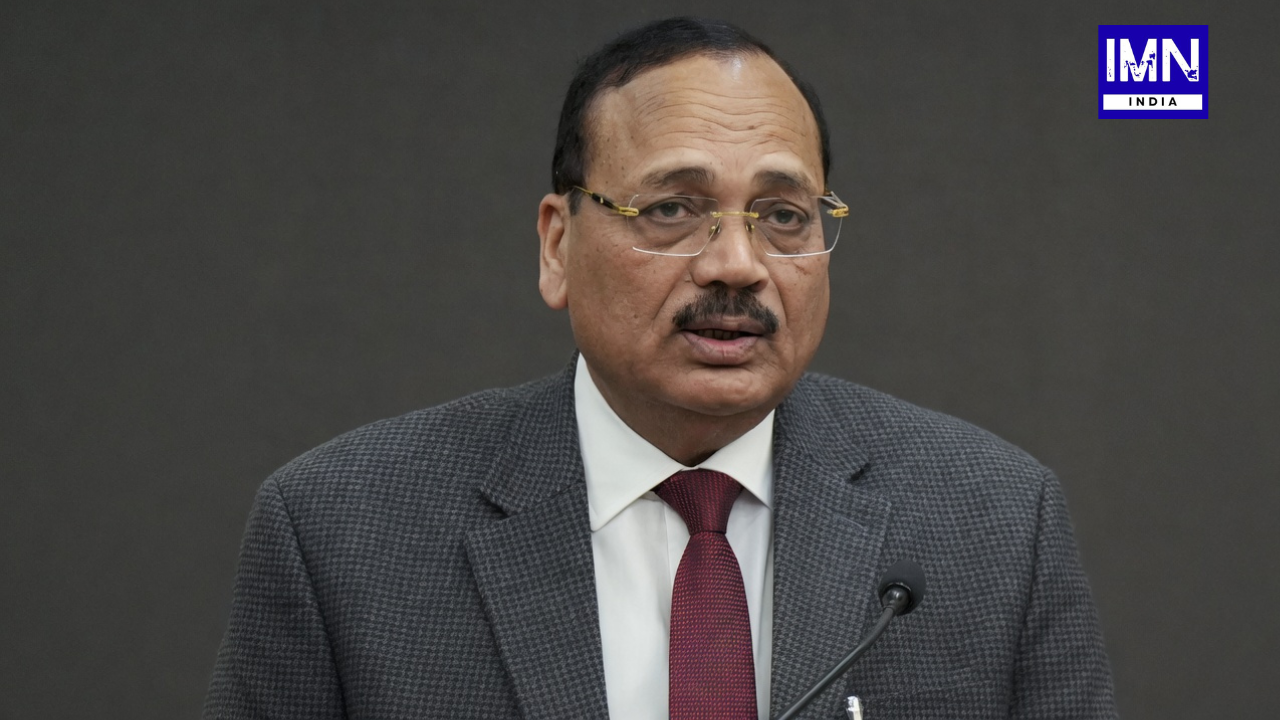
The One Case One Data Initiative was officially launched by Surya Kant on Monday as part of a major push toward digital transformation in India’s judicial system. Along with the new initiative, the Chief Justice of India also introduced an AI-powered chatbot named “Su Sahay” aimed at improving public access to court-related services and information.
The announcement was made at the beginning of the day’s proceedings, where the Chief Justice highlighted the judiciary’s growing focus on technology-driven reforms. According to the CJI, the One Case One Data Initiative will create a unified digital system that integrates information from high courts, district courts, and taluka courts across the country.
Speaking during the proceedings, Justice Surya Kant said the initiative is expected to improve efficiency in handling judicial records and case management. The project aims to streamline court data into a single accessible structure, making it easier for judges, lawyers, court staff, and litigants to access case information quickly and accurately.
Under the new system, case details from multiple judicial levels will be digitally connected. Officials believe this integration will reduce duplication of records, improve transparency, and support faster case tracking. The judiciary is also expected to benefit from better coordination between courts through centralized information management.
The One Case One Data Initiative is being viewed as a significant step toward modernization of India’s court infrastructure. Over the years, the Indian judiciary has increasingly adopted digital systems such as e-filing, virtual hearings, online case status updates, and electronic document management. The latest initiative is expected to further strengthen these reforms by bringing all court-related information under one integrated platform.
Alongside the data integration project, the judiciary also launched the AI chatbot “Su Sahay.” The chatbot has been designed to assist users with basic legal and court-related information. It is expected to help litigants and the general public access details related to court procedures, hearing schedules, case status, and other important judicial services without requiring physical visits to court premises.
Legal experts say the introduction of AI-based assistance tools reflects the judiciary’s increasing focus on accessibility and technology adoption. Many believe such systems can help reduce confusion for ordinary citizens who often struggle to understand legal procedures and court documentation.
The launch of the One Case One Data Initiative also comes at a time when Indian courts continue to face heavy case backlogs. Experts believe centralised data systems and AI-supported services can help improve administrative efficiency and reduce delays in handling records and scheduling matters.
Officials associated with the project said the initiative is expected to evolve gradually with advanced technological support. Future upgrades may include better analytics, automated case tracking, and improved coordination between different levels of courts across the country.
The judiciary’s digital transformation efforts accelerated significantly after the COVID-19 pandemic, when virtual hearings and online legal processes became essential. Since then, courts across India have continued expanding digital infrastructure to make judicial services more efficient and accessible.
The introduction of the “Su Sahay” AI chatbot has also attracted attention within legal and technology circles. Supporters say artificial intelligence can help simplify access to information and reduce pressure on administrative staff. However, experts also stress the importance of maintaining data privacy, cybersecurity, and accuracy while implementing AI systems in judicial institutions.
With the launch of the One Case One Data Initiative, the Indian judiciary has taken another major step toward creating a more connected and technology-driven legal system. The initiative is expected to improve case management, enhance transparency, and make judicial services more accessible for citizens across the country.
Follow for more updates: www.instagram.com/imnindia.news/















Leave a comment