


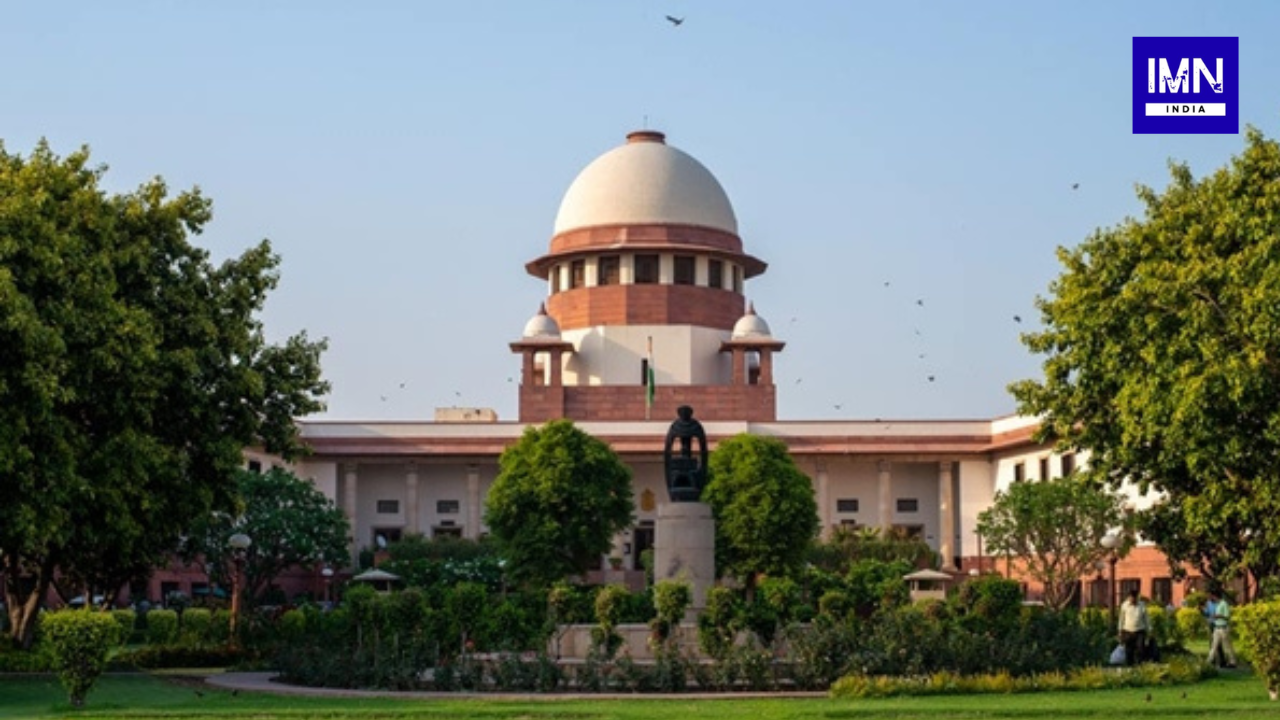
The Supreme Court Directs High Courts to Deliver Reserved Judgments Within Three Months ruling has emerged as a major judicial development aimed at improving the speed and efficiency of India’s justice delivery system. The apex court issued significant directions to all High Courts across the country while expressing serious concern over delays in pronouncing judgments after cases are reserved.
The Supreme Court observed that prolonged delays in delivering judgments can cause irreparable harm to litigants, especially in cases involving personal liberty. The observations came during proceedings before a bench headed by Chief Justice Surya Kant along with Justice Joymalya Baghchi.
The Supreme Court Directs High Courts to Deliver Reserved Judgments Within Three Months order is being viewed as a major push toward judicial accountability and timely justice delivery, particularly in sensitive criminal and bail-related matters.
Supreme Court Raises Concern Over Delayed Judgments
During the hearing, the apex court highlighted that litigants often face uncertainty and hardship when judgments remain pending for extended periods after arguments conclude. Legal experts have repeatedly pointed out that delayed judgments not only increase anxiety for parties involved but can also weaken public confidence in the judicial system.
The bench underlined that timely pronouncement of judgments is an essential part of access to justice and constitutional fairness. Courts across India handle a massive backlog of cases, and delays in reserved orders have frequently become a matter of concern for lawyers, litigants, and judicial observers.
The Supreme Court Directs High Courts to Deliver Reserved Judgments Within Three Months direction now creates a clear timeline expected to guide judicial functioning across all High Courts in the country.
According to the directions issued, judgments reserved after hearings should ordinarily be delivered within a maximum period of three months.
Faster Bail Orders Emphasized
The Supreme Court placed special emphasis on cases involving personal liberty, particularly bail applications and sentence suspension matters. The bench observed that liberty-related cases require urgent attention because delays can directly affect the fundamental rights of individuals.
The court directed that bail orders should ideally be pronounced on the same day the hearing concludes. If the order is reserved, it should be pronounced and uploaded the following day without unnecessary delay.
The Supreme Court Directs High Courts to Deliver Reserved Judgments Within Three Months order also instructed authorities to ensure immediate communication of bail decisions to jail officials so that under-trial prisoners or convicts granted relief can be released promptly.
The bench stated that release should preferably take place on the same day the order is passed or, at the latest, by the next day.
Focus on Personal Liberty and Judicial Efficiency
Legal experts believe the latest directions reflect increasing judicial focus on balancing procedural efficiency with protection of constitutional rights. Courts have repeatedly emphasized that unnecessary detention due to administrative or procedural delays undermines personal liberty guaranteed under the Constitution.
The Supreme Court’s latest intervention is likely to influence the functioning of trial courts and High Courts by creating stronger expectations regarding timelines and accountability.
The Supreme Court Directs High Courts to Deliver Reserved Judgments Within Three Months ruling is already being discussed widely within legal circles because it addresses one of the most common concerns faced by litigants waiting for final orders.
Judicial reforms related to digitisation, case management, and timely judgments have become major discussion points in recent years as courts attempt to manage increasing case loads.
Major Step Toward Judicial Reforms
Observers believe the Supreme Court’s directions may help strengthen public trust in the justice system by ensuring faster disposal of cases and reducing uncertainty caused by delayed judgments.
Several legal professionals welcomed the move, stating that timely delivery of judgments is essential for maintaining the credibility and effectiveness of courts. Delays in pronouncements often impact not only criminal cases but also civil disputes, business matters, and constitutional litigation.
The Supreme Court Directs High Courts to Deliver Reserved Judgments Within Three Months decision is therefore being viewed as a significant institutional reform initiative aimed at improving judicial discipline and protecting citizens’ rights.
As courts across the country begin implementing the directions, legal experts believe the ruling could become an important milestone in ongoing efforts to modernize and streamline India’s judicial system.
Also read:Punjab and Haryana High Court Says Single Meeting With Ex Is Not Adultery, Grants Divorce on Cruelty
Follow for more updates: www.instagram.com/imnindia.news/















Leave a comment