


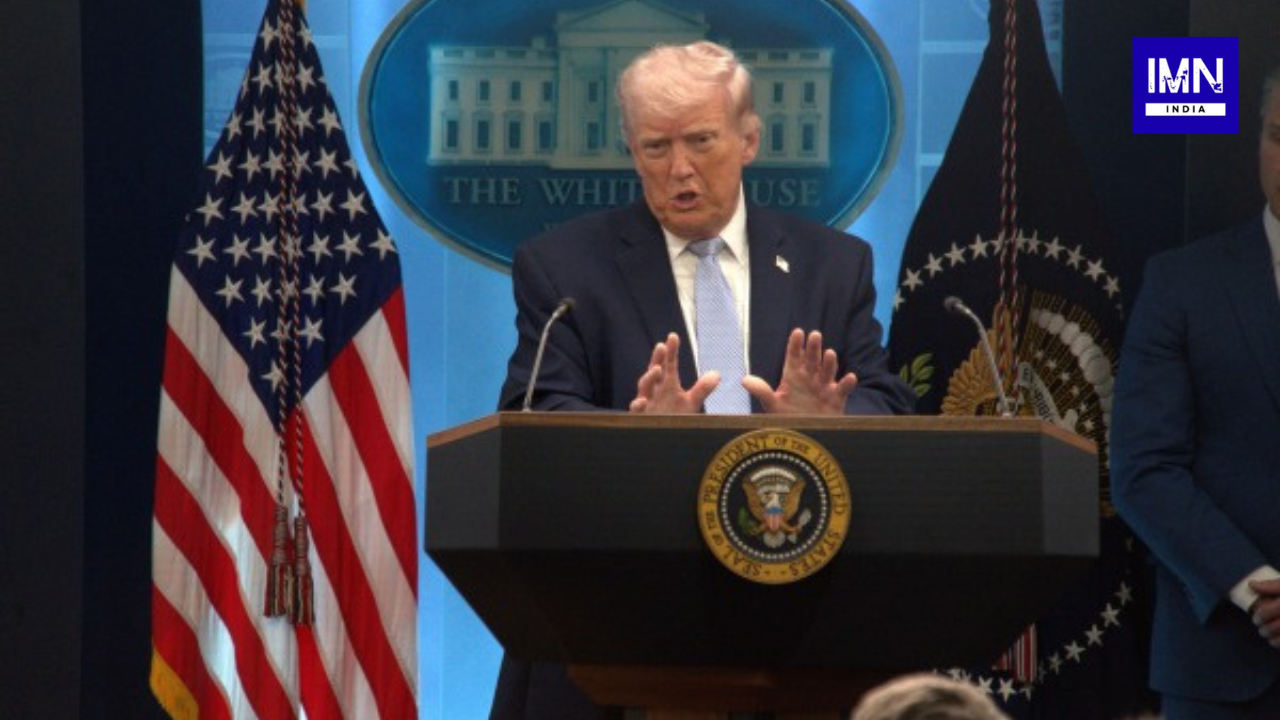
Trump’s Iran Talks End Without Deal
Trump’s Iran Talks End Without Deal: Three Conditions Set for Ceasefire Extension. U.S. President Donald Trump convened a high-stakes two-hour meeting with his top advisers at the White House on Saturday to deliberate over a potential deal with Iran that could extend an ongoing ceasefire between the two nations. The closed-door session, held inside the iconic Situation Room, concluded without any definitive decision or clarity on the next course of action.
Situation Room Meeting Ends Without Conclusion
The meeting, attended by senior members of the Trump administration, was focused on evaluating the diplomatic and strategic options available to the United States in its ongoing negotiations with Iran. Despite the lengthy discussion, no concrete agreement or policy direction was announced following the session, leaving the outcome of the ceasefire extension uncertain.
White House officials have not provided a detailed readout of the discussions, but the very fact that the meeting stretched over two hours underscores the complexity and sensitivity of the situation.
Trump’s Three Key Conditions for a Deal
Ahead of the Situation Room briefing, President Trump publicly outlined the conditions that Iran would need to meet for any agreement aimed at prolonging the ceasefire to move forward. The U.S. President laid down three non-negotiable demands:
- Reopening of the Strait of Hormuz Iran must commit to keeping the strategically vital waterway open for international shipping and trade.
- No Nuclear Weapons Iran must formally commit to never developing a nuclear weapon.
- Removal of Enriched Uranium Stockpile The United States must be permitted to remove Iran’s existing stockpile of enriched uranium.
These conditions signal that Washington is approaching the negotiations from a position of strength, with little room for compromise on what it considers core national security interests.
Why the Strait of Hormuz Matters
The Strait of Hormuz is one of the world’s most critical maritime chokepoints, through which a significant portion of global oil and liquefied natural gas supplies pass every day. Any disruption to shipping through this narrow waterway between Iran and Oman has the potential to trigger sharp spikes in global energy prices and destabilise international markets.
Demanding that Iran guarantee the free flow of traffic through the Strait reflects Washington’s broader concern about energy security and the stability of global supply chains.
Iran’s Stand: Nuclear Programme Is for Civilian Use Only
Iran has consistently rejected international allegations that it is pursuing nuclear weapons, maintaining that its nuclear programme is entirely civilian in nature and aimed at meeting the country’s energy needs. Iranian officials have long argued that their uranium enrichment activities are within the bounds of international law and are intended solely for peaceful purposes such as power generation and medical research.
This long-standing position puts Tehran at direct odds with Washington’s demand for a firm commitment against nuclear weaponisation, making any diplomatic breakthrough significantly more challenging.
What Comes Next
With the Situation Room meeting ending without a clear direction, diplomatic observers and world leaders are watching closely to see whether the United States and Iran will resume formal talks or whether tensions will once again begin to escalate sharply. The ball appears to be in both capitals’ courts as the window for extending the ceasefire continues to narrow with each passing day.
The coming days are expected to be critical in determining whether a diplomatic resolution is achievable or whether the two sides remain too far apart on fundamental issues to reach a lasting agreement.
Follow for more updates: www.instagram.com/imnindia.news/














Leave a comment