


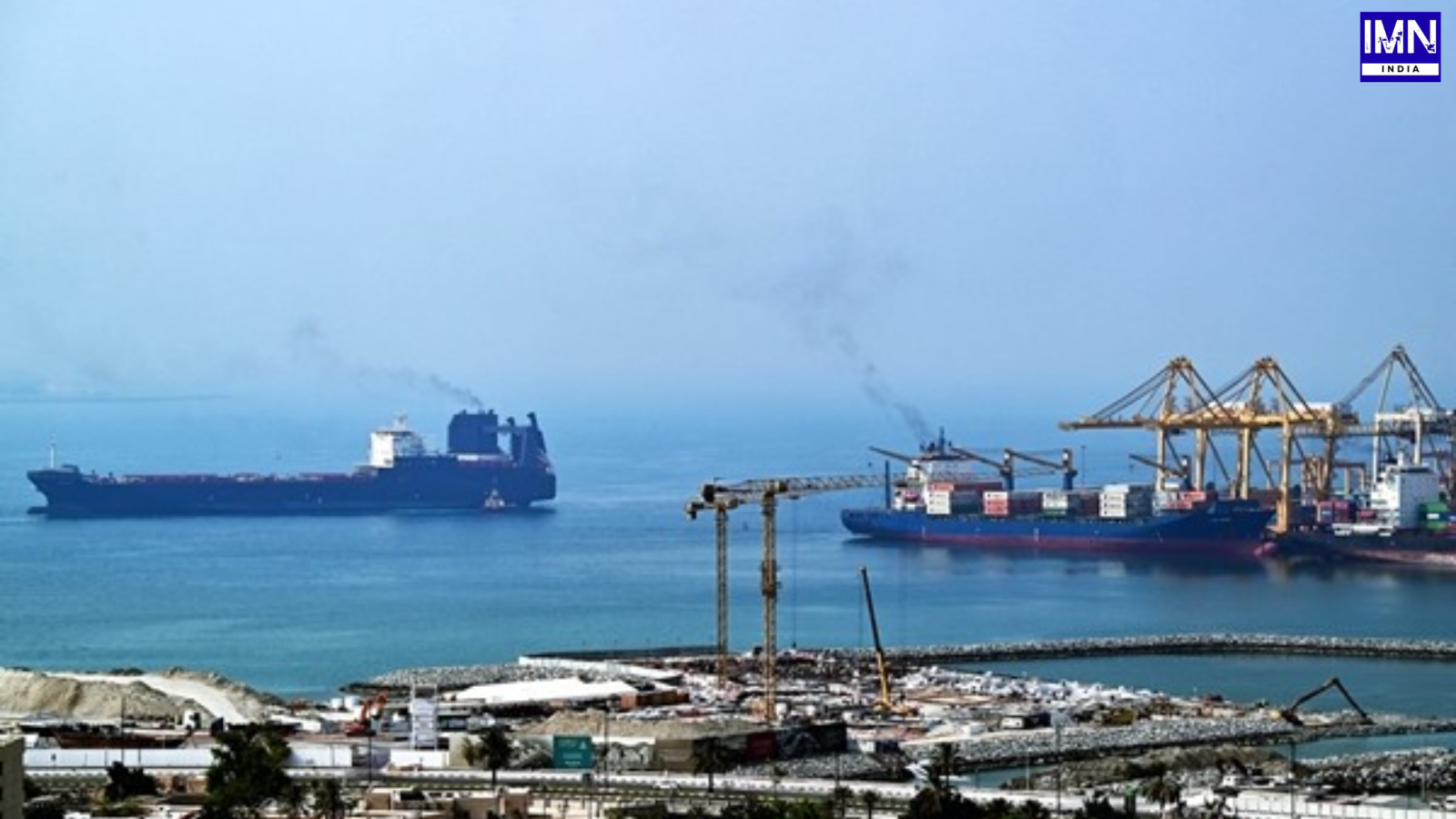
A new wave of US Iran strikes has pushed tensions in the Persian Gulf to a dangerous new level. The US military confirmed fresh attacks on Iranian territory, while Tehran responded with strikes of its own against American bases in the region.
US Central Command said the latest round of US Iran strikes was intended to weaken Iranian military capabilities that Washington says have been used to threaten commercial vessels moving through the Strait of Hormuz. The command described the operation as a continuation of its effort to secure one of the world’s busiest maritime chokepoints.
The Strait of Hormuz has long served as a critical passage for global energy trade, and any military activity in its vicinity tends to draw immediate international attention. Washington has repeatedly framed its strikes as necessary to protect commercial shipping lanes that pass through this narrow corridor between Iran and the Arabian Peninsula.
Iranian state media offered a different vantage point on the same events. Reports from within Iran said American strikes reached Bushehr, a southern port city that is home to the country’s only civilian nuclear power facility. The proximity of military action to a nuclear site is likely to draw close attention from international observers monitoring the safety of nuclear infrastructure in conflict zones.
Bushehr has held strategic significance for Iran for decades, given its role in the country’s civilian nuclear energy programme. Any reported activity near the facility typically raises questions among regional analysts and international agencies about the broader risks tied to military operations in populated port cities.
Iran’s IRGC Responds to US Iran Strikes
Iran’s Islamic Revolutionary Guards Corps said it carried out retaliatory action against US military infrastructure in two Gulf allied states. According to the IRGC, its Aerospace Force struck the American base at al-Azraq in Jordan, describing the move as a direct response to what it called renewed US aggression.
The IRGC further alleged that a substantial share of American military operations against Iran had been launched from bases within Jordanian territory, framing its strike as retaliation against the source of that activity rather than an isolated act.
In a separate announcement, the IRGC said its naval branch had targeted facilities belonging to the US Fifth Fleet in Bahrain. The group listed several sites it claimed to have hit, including a management centre, storage warehouses used for military equipment, a command and control facility, and fuel depots.
The US Fifth Fleet has maintained a long-standing presence in Bahrain, serving as a key hub for American naval operations across the wider Gulf region. Any reported strike on facilities linked to this fleet is likely to be viewed as a significant escalation given the base’s operational importance to US forces stationed in the Middle East.
Iran’s naval forces justified the Bahrain strike as a reaction to the deployment of US naval assets in the Indian Ocean. Tehran has accused Washington of using the pretext of securing the Strait of Hormuz to restrict maritime routes that are vital to regional trade.
Strait of Hormuz Remains at the Centre of the Conflict
The Strait of Hormuz continues to sit at the heart of the standoff between the two nations. A significant share of global oil and gas shipments passes through the narrow waterway, and any disruption there tends to ripple quickly through energy markets worldwide.
Both Washington and Tehran have framed their respective military actions as defensive responses to the other side’s provocations, a pattern that has repeated itself through several rounds of strikes and counterstrikes in recent days. Neither side has shown clear signs of stepping back from the confrontation.
Diplomatic channels between the two countries have remained largely strained throughout this period, with each side continuing to justify its actions as a response to the other’s aggression rather than as an initiating measure.
Conclusion
The exchange of strikes between the US and Iran signals that the conflict remains far from resolved, with both sides continuing to trade blame over who bears responsibility for the latest escalation. Developments around the Strait of Hormuz and the safety of sites like Bushehr will likely remain under close watch in the days ahead.
Follow for more updates: www.instagram.com/imnindia.news/













Leave a comment