


New Delhi:
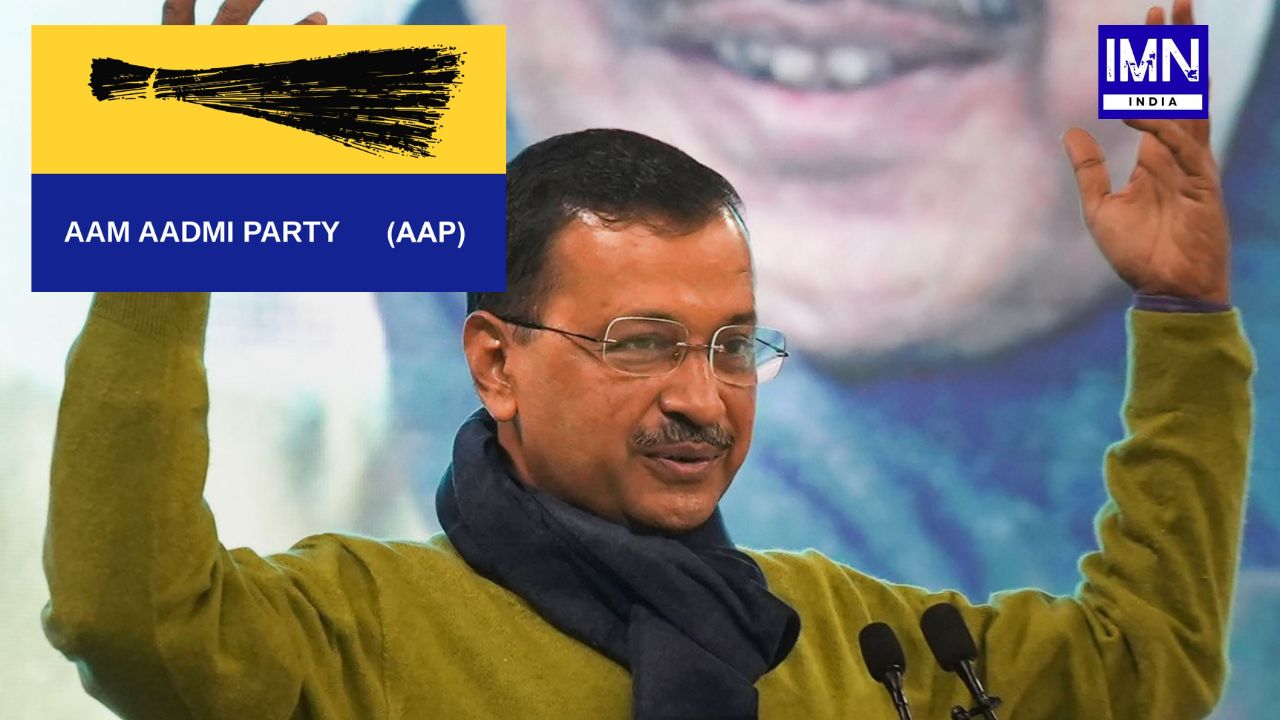
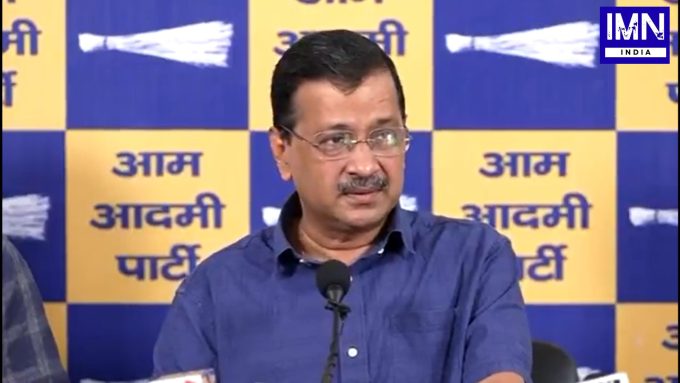
The Aam Aadmi Party, once projected as a clean and reform-driven political force, is now facing one of its biggest internal crises. The recent developments involving senior leaders, including Raghav Chadha, have brought the spotlight on growing cracks within the party led by Arvind Kejriwal.
While the situation is still evolving, multiple factors appear to be contributing to the unrest.
⚠️ 1. Allegations of Corruption & Credibility Crisis
AAP was founded on an anti-corruption platform. However, over the past few years, controversies — especially around the Delhi liquor policy case — have dented its clean image.
Opposition parties have consistently accused the leadership of hypocrisy, while internal dissenters are reportedly questioning whether the party has drifted from its original ideology.
⚔️ 2. Leadership Style & Centralisation of Power
One of the biggest internal concerns often raised is the centralisation of decision-making around Arvind Kejriwal.
- Key decisions are allegedly taken by a small core group
- Many leaders feel marginalised or unheard
- Internal democracy within the party is being questioned
This has led to frustration among some senior leaders and MPs.
🔥 3. Growing Internal Factionalism
Like many expanding political parties, AAP is now dealing with:
- Internal camps
- Power struggles
- Regional vs central leadership clashes
As the party expanded beyond Delhi into Punjab and other states, managing internal cohesion has become more difficult.
📉 4. Pressure from Legal Battles
Legal cases involving top leaders have added pressure on the party.
Frequent court appearances, investigations, and political attacks have:
- Impacted governance focus
- Created uncertainty within leadership ranks
- Triggered fear among some members about political future
🧠 5. Ideological Drift Concerns
Some leaders believe AAP has:
- Shifted from activism to conventional politics
- Made pragmatic compromises that dilute its founding principles
- Lost its “outsider” identity
This perception has reportedly caused discomfort among original supporters and insiders alike.
⚡ 6. Ambition vs Opportunity Clash
As AAP grew, many leaders expected:
- Bigger roles
- National-level recognition
- Decision-making power
When expectations weren’t met, dissatisfaction increased — a common issue in rapidly growing parties.
🧾 What This Means Politically
If the current crisis deepens:
- AAP could lose strength in Parliament
- BJP and other parties may gain advantage
- The party’s national expansion plans may slow down
However, AAP still retains a strong voter base in key regions, and the situation could stabilise depending on leadership response.
📊 Conclusion:
The crisis in AAP appears to be a mix of ideological concerns, leadership style issues, political pressure, and internal ambition clashes. Whether this turns into a full-blown split or is managed internally will depend largely on how Arvind Kejriwal and the party leadership respond in the coming days.














1 Comment