


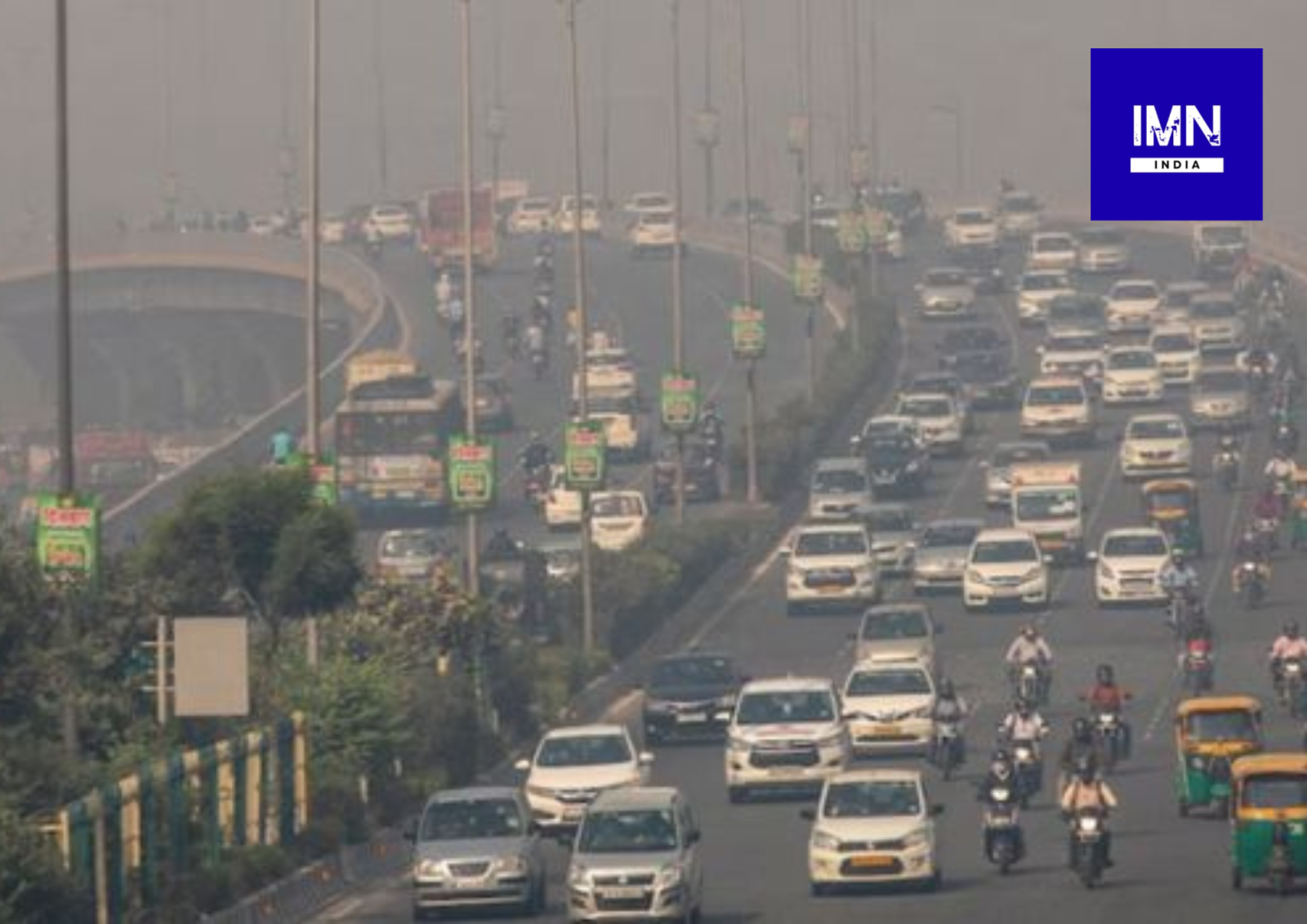
The Delhi Government has officially notified the Delhi Winter Pollution Master Plan, creating a permanent framework to tackle seasonal air pollution in the national capital every year. The policy will remain in force annually from 1 November to 28 February, replacing the earlier practice of issuing separate winter notifications each year.
Chief Minister Rekha Gupta said the Delhi Winter Pollution Master Plan consolidates all major pollution-control measures into a single regulatory framework, ensuring timely implementation and stronger enforcement. The notification incorporates the revised Graded Response Action Plan (GRAP) issued by the Commission for Air Quality Management (CAQM), along with directions issued by the Supreme Court on combating air pollution in Delhi-NCR.
The move comes as Delhi continues to face severe deterioration in air quality during the winter months due to multiple factors, including vehicular emissions, construction dust, industrial pollution, biomass burning and unfavourable weather conditions that trap pollutants close to the ground.
Permanent Rules to Strengthen Pollution Control
One of the key provisions of the Pollution Master Plan is the year-round restriction on fuel supply to vehicles that do not possess a valid Pollution Under Control (PUC) certificate. Petrol pumps, CNG stations and LPG outlets across Delhi will not supply fuel to such vehicles.
Additionally, from 1 November to 31 January, non-Delhi-registered vehicles that do not meet BS-VI emission standards will not be allowed to enter the capital. However, exemptions will remain for CNG and electric vehicles, ambulances, fire services and other essential emergency vehicles.
The government has also announced that parking charges at authorised parking facilities will be doubled during the winter pollution period from 1 November to 28 February. Authorities believe the measure will discourage the use of private vehicles and encourage greater reliance on public transport.
To reduce peak-hour traffic congestion, government and private offices will implement work-from-home arrangements for up to 50 per cent of employees between 1 November and 31 January. Office timings will also be staggered to ease pressure on roads during rush hours.
Construction Curbs and GRAP Measures Under Delhi Winter Pollution Master Plan
The new framework also imposes strict restrictions on construction-related activities. Demolition work and open dust-generating construction activities will remain prohibited from 1 November to 31 January, except for essential public infrastructure projects approved by the authorities.
Large commercial buildings and major construction sites will be required to install anti-smog guns or mist systems to suppress dust emissions. Strict enforcement measures will also be taken against the open burning of waste. Resident Welfare Associations (RWAs), institutions and commercial establishments will be held accountable for ensuring compliance with pollution-control norms.
The permanent framework is closely aligned with the revised GRAP guidelines, which provide graded emergency responses depending on Delhi’s Air Quality Index (AQI). Officials believe integrating these measures into a standing policy will allow quicker action whenever pollution levels begin to rise.
Delhi has experienced recurring episodes of hazardous air quality during winter for several years. In recent seasons, authorities have introduced emergency measures such as restrictions on construction activities, school closures, vehicle curbs and enhanced public transport services whenever pollution reached severe levels. The new permanent framework seeks to institutionalise many of these responses and improve preparedness before pollution peaks.
Delhi Winter Pollution Master Plan: Key Rules and Timeline
| Rule/Measure | Effective Period |
| Winter Pollution Master Plan | 1 November – 28 February (Every Year) |
| No Fuel Without PUC Certificate | Throughout the Year |
| Ban on Entry of Non-Delhi BS-IV/BS-V Vehicles | 1 November – 31 January |
| Work From Home (50% Employees) | 1 November – 31 January |
| Higher Parking Charges | 1 November – 28 February |
| Ban on Demolition & Dust-Generating Construction | 1 November – 31 January |
| Anti-Smog Guns/Mist Systems Mandatory | As Applicable During Winter Pollution Period |
| Strict Action Against Open Waste Burning | Throughout Winter Enforcement Period |
| Implementation of Revised GRAP Guidelines | As Per Air Quality Levels |
Chief Minister Rekha Gupta said protecting Delhi’s environment requires collective participation from citizens, government agencies, industries and local communities. She urged residents to support the implementation of the Delhi Winter Pollution Master Plan by following pollution-control measures and adopting environmentally responsible practices.
Officials believe the permanent policy will ensure greater consistency in enforcement, reduce administrative delays and strengthen Delhi’s long-term strategy to combat seasonal air pollution. Environmental experts have also welcomed the move, stating that predictable and sustained implementation of anti-pollution measures is essential for improving air quality in one of the world’s most polluted urban regions.
Follow for more updates: www.instagram.com/imnindia.news












Leave a comment