


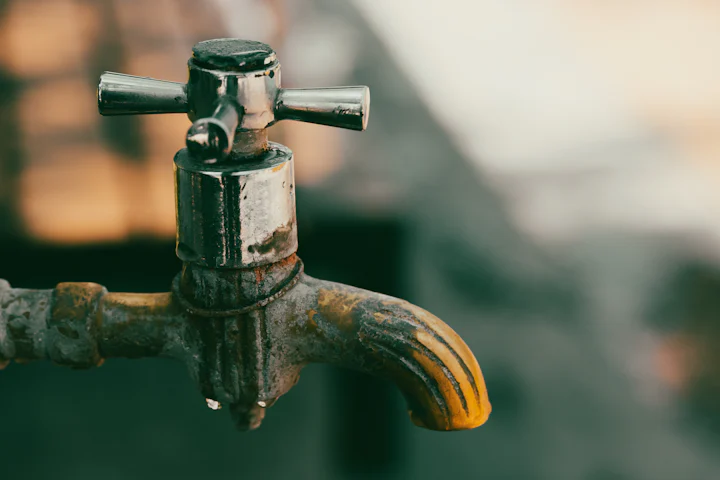
Residents in a prominent Delhi locality have been plunged into a harrowing public health crisis, as their household taps now deliver nothing short of sewage-like water. For days, multiple homes across the area have reported a grotesque spectacle: water that is visibly discoloured, often murky brown or even black, and accompanied by an unbearable, foul smell that leaves little doubt about its contaminated nature. This alarming development has triggered widespread panic and outrage, exposing severe lapses in the city’s essential infrastructure and governance.
The ordeal began subtly for some, but quickly escalated into a full-blown emergency. What should be a life-sustaining flow of potable water has instead become a source of dread. Families are unable to use the water for drinking, cooking, bathing, or even basic sanitation. The sight of this contaminated discharge has not only sparked profound disgust but also immediate health anxieties among the affected populace, particularly concerning children and the elderly who are more vulnerable to waterborne diseases. The crisis underscores a fundamental failure in the urban promise of providing safe and reliable civic amenities.
The implications of this contamination extend far beyond mere inconvenience. For residents, waking up to sewage-like water flowing from their taps means a complete disruption of daily life. Parents are struggling to ensure their children’s hygiene, households face monumental challenges in preparing meals, and the simple act of washing hands becomes a perilous gamble. The immediate economic burden is also substantial, as families are forced to rely entirely on expensive bottled water for all their needs, straining already tight budgets. Fears of gastrointestinal illnesses, skin infections, and other severe health complications are pervasive, turning homes into breeding grounds for anxiety rather than sanctuaries.
Investigations into the root cause of this alarming phenomenon typically point to critical failures within the city’s aging and often poorly maintained water infrastructure. One primary suspect is the notorious issue of cross-contamination, where potable water pipelines run perilously close to, or even intersect with, sewage lines. Any leak or pressure differential can cause sewage to seep into the drinking water supply. Another likely culprit is the structural integrity of the pipelines themselves, many of which are decades old, corroded, and prone to ruptures, especially during periods of varying water pressure or ground movement. Lack of regular inspection, cleaning, and timely repair by civic authorities exacerbates these systemic vulnerabilities.
The Delhi Jal Board (DJB), the primary authority responsible for water supply and sanitation in the capital, now faces intense scrutiny. Their mandate is clear: to ensure the provision of safe and clean drinking water to all citizens. However, the repeated appearance of sewage-like water points to profound systemic failures that undermine public trust and endanger millions. Residents are demanding not just immediate relief in the form of clean water tankers, but a thorough, transparent investigation into how such a severe contamination could occur and, more importantly, a long-term plan to prevent its recurrence. Accountability, both administrative and operational, is now the loudest cry from the affected community.
Local political representatives and community leaders have also been drawn into the fray, facing the direct ire of distraught citizens. Public meetings, protests, and social media campaigns have erupted, with residents sharing horrifying images and videos of the contaminated water directly from their taps. “This is a basic human right, not a luxury!” exclaimed one exasperated resident during a impromptu gathering, articulating the sentiment of an entire locality. “We pay our taxes, we expect clean water, not this toxic waste flowing into our homes.” The incident serves as a stark reminder of the fragile balance between rapid urbanisation and the critical need for robust, modern infrastructure.
Experts in urban planning and public health warn that such incidents are not isolated anomalies but symptoms of a larger, looming crisis in many Indian metropolitan areas. Inadequate investment in infrastructure upgrades, coupled with burgeoning populations and insufficient maintenance protocols, creates a fertile ground for such public health disasters. The Delhi crisis should serve as a wake-up call for municipal corporations across the nation to conduct comprehensive audits of their water supply and sewerage systems, prioritising preventive maintenance and rapid response mechanisms over reactive fire-fighting. The right to clean water is enshrined, and its consistent denial is an affront to human dignity and health.
As the locality grapples with the immediate aftermath and the uncertainty of future supplies, the demand for concrete action intensifies. Residents, supported by civil society groups, are united in their resolve to not let this issue fade without a definitive resolution. The expectation is clear: a commitment from authorities to implement durable solutions, ensuring that no resident ever again faces the horror of finding sewage-like water gushing from their taps. This incident must catalyse a broader, sustained effort to safeguard public health and restore faith in essential civic services.
Photo by engin akyurt on Unsplash
Source: Original Report














Leave a comment