


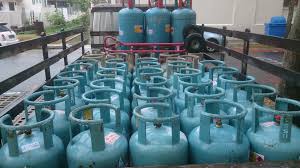
India’s business landscape is reeling from an unprecedented commercial LPG price hike, marking the steepest increase ever recorded by the Centre. This staggering surge has pushed the cost of a 19-kg commercial LPG cylinder in Delhi to an alarming ₹3,071.5, following a sharp ₹993 jump. It represents the third consecutive monthly price escalation, a trend that is placing immense strain on the nation’s vital hospitality sector and a multitude of small enterprises.
The sheer magnitude of this latest revision is difficult to overstate. A nearly ₹1,000 increase in a single month for a fundamental operational utility like commercial gas signifies a critical turning point for establishments already navigating a challenging economic environment. Over the span of just three months, commercial LPG rates have collectively soared by a monumental ₹1,303. This relentless upward trajectory is eroding profit margins and forcing businesses to confront difficult choices, underscoring the severe inflationary pressures gripping the economy.
The primary catalyst for this dramatic commercial LPG price hike lies squarely in the volatile global energy markets. The ongoing West Asia crisis has injected significant instability into the international oil landscape, leading to a dramatic escalation in crude prices. Oil benchmarks have surged by nearly 50% in recent months, directly translating into higher input costs for petroleum products, including Liquefied Petroleum Gas. As a major importer of crude oil, India is particularly susceptible to these geopolitical tremors, with the burden ultimately trickling down to commercial consumers.
For the backbone of the Indian service economy—hotels, restaurants, and small businesses—this relentless ascent in fuel costs presents an existential threat. Culinary establishments, bakeries, catering services, and various other commercial operations rely heavily on LPG for their daily functioning. A sudden ₹993 increase translates to thousands, if not lakhs, of rupees in additional monthly expenditure for larger entities, and a disproportionately heavy burden for smaller eateries and street vendors already operating on razor-thin margins. Absorbing such a substantial cost without passing it on to consumers becomes an increasingly untenable proposition.
The ripple effect of this commercial LPG price hike extends far beyond the immediate balance sheets of businesses. Faced with significantly higher operational costs, many establishments may be compelled to raise their menu prices, thereby impacting household budgets and potentially dampening consumer spending. This could fuel broader inflationary trends across the economy, making everyday goods and services more expensive for the average citizen. Furthermore, sustained pressure might lead to scaling back operations, deferred investments, or even business closures, threatening livelihoods and contributing to economic slowdown.
The hospitality sector, still recovering from the disruptive effects of recent global health crises, now finds itself caught in another maelstrom of rising input costs. Industry bodies and associations are vocalizing their concerns, highlighting the severe stress on their members. Unlike domestic LPG, where some subsidies or government interventions might offer a buffer, commercial LPG operates under different dynamics, leaving businesses largely exposed to global market fluctuations. This situation necessitates a robust dialogue between industry stakeholders and policymakers to explore potential mitigation strategies or support mechanisms, ensuring the resilience of this crucial sector.
The current scenario underscores the precariousness of global supply chains and the profound impact of geopolitical events on local economies. With the West Asia crisis showing no immediate signs of abating, and global energy demand remaining robust, the outlook for commercial LPG prices remains uncertain. Businesses are now forced to meticulously re-evaluate their operational efficiencies, explore alternative energy sources where feasible, and strategize on pricing to maintain profitability without alienating their customer base. The long-term implications of sustained high energy costs could reshape the competitive landscape and consumer habits.
In conclusion, the staggering commercial LPG price hike represents more than just a numerical adjustment; it is a critical challenge to the stability and growth of India’s commercial sector. From sprawling hotel chains to humble roadside eateries, the pressure is immense and immediate. As the nation navigates these turbulent economic waters, the ability of businesses to adapt and the willingness of policymakers to address the structural vulnerabilities contributing to such dramatic price swings will be paramount in determining the resilience of the Indian economy.














Leave a comment