


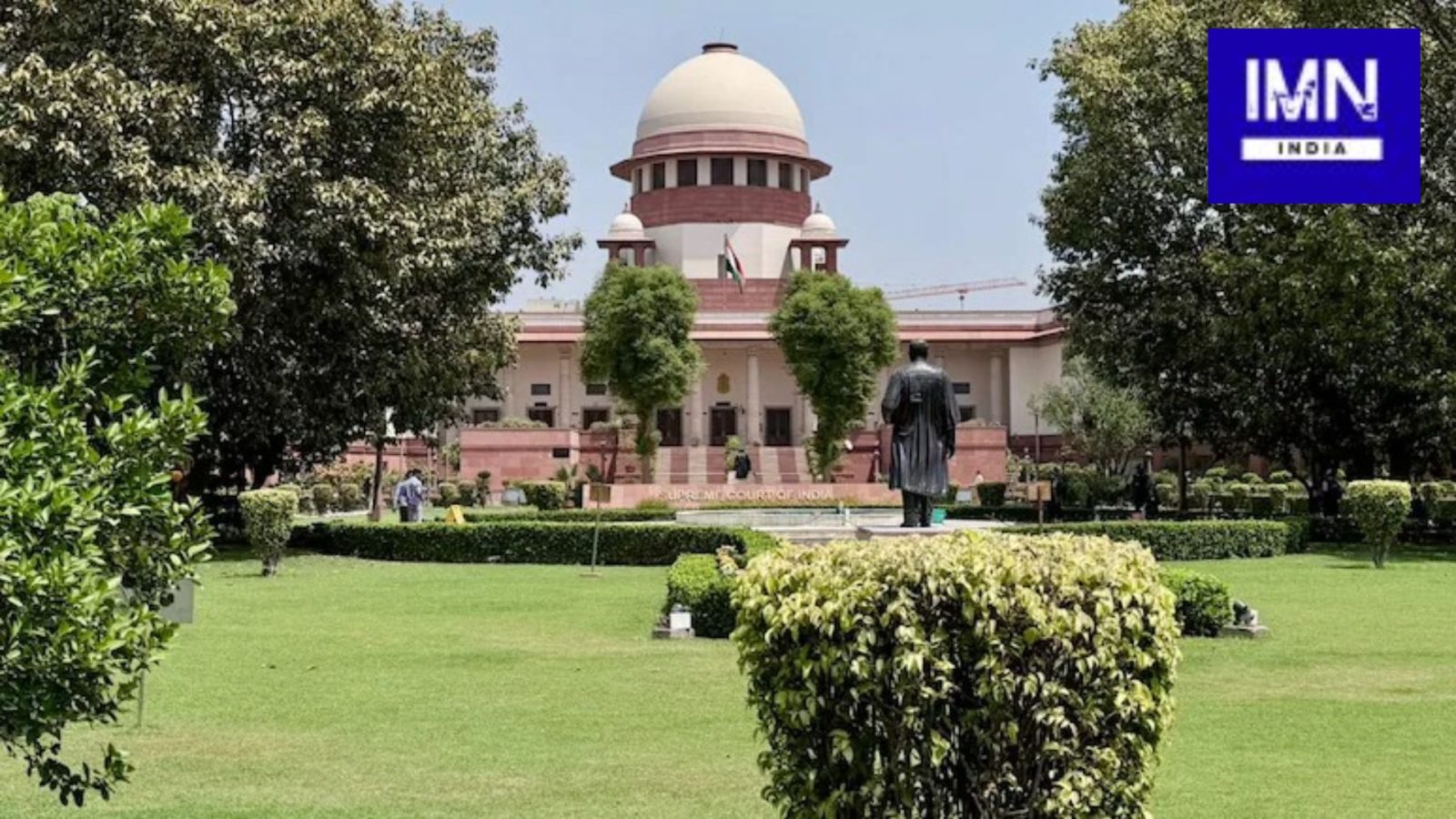
The Supreme Court has dismissed a batch of pending petitions flagging hate speech incidents over the past few years, observing that the existing criminal law adequately addresses such offences. The bench clarified that creating a new offence falls within the legislature’s domain, and individuals can approach appropriate forums for remedies under current law.
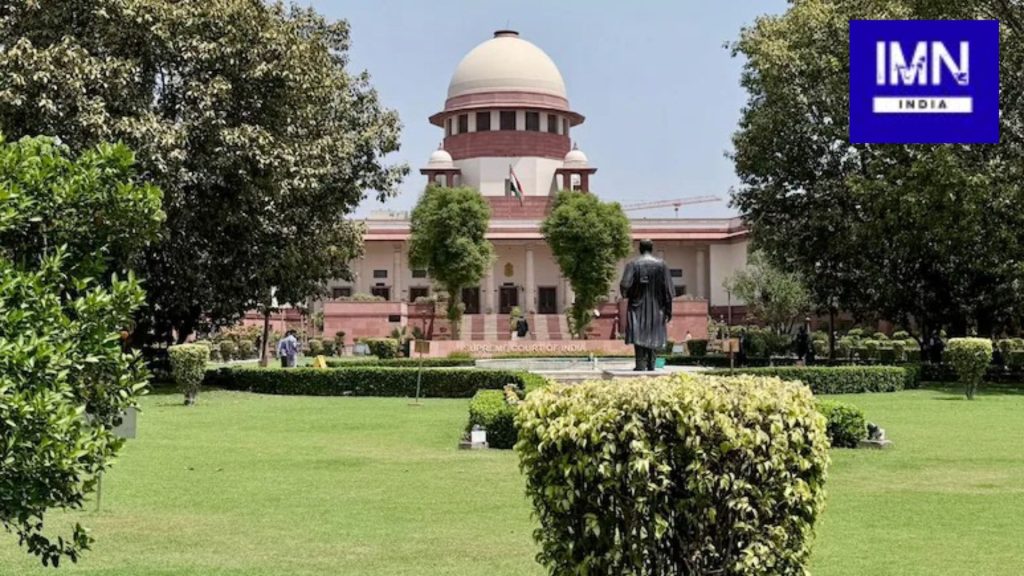
New Delhi: The Supreme Court of India has dismissed a batch of pending petitions flagging hate speech incidents, asserting that the existing criminal law framework adequately addresses such offences. The bench clarified that the creation of a new offence lies exclusively with the legislature and individuals can pursue remedies under the current legal system.
Judicial Intervention Over the Years
The court has long grappled with the question of how far the judiciary can intervene in hate speech matters. Early petitions during the COVID-19 pandemic highlighted communal narratives such as “corona jihad,” while subsequent challenges targeted controversial programs like Sudarshan TV’s “UPSC Jihad.”
In 2020, the Supreme Court intervened to restrain the telecast of the “UPSC Jihad” program, marking the beginning of judicial engagement with hate speech cases in India. Petitioners argued that these narratives violated fundamental rights to equality, dignity, and fraternity, pointing to state inaction or complicity.
Rise in Hate Speech Petitions (2021-2022)
Between 2021 and 2022, the Supreme Court’s docket on hate speech grew significantly following incidents at religious gatherings such as the Dharam Sansad, which featured calls for violence, economic boycotts, and mobilization against minority communities. Petitions were filed by journalists, civil liberty groups, religious organizations, and individuals across the country, highlighting systemic failures in enforcement.
Recognizing the gravity of these issues, the Supreme Court in October 2022 directed police in various states to suo motu register FIRs for incidents promoting communal hatred or offending religious sentiments, warning that inaction could invite contempt proceedings.
Decisive Orders in 2023
On April 28, 2023, the Supreme Court issued a landmark order extending suo motu FIR registration to all states, emphasizing that offenders should be pursued irrespective of their religion. The bench reaffirmed that protecting secularism and fraternity is central to constitutional morality.
Shift in Judicial Approach (2024-2025)
By late 2024 and 2025, the Supreme Court indicated a clear recalibration of its approach to hate speech. Benches led by Justices Vikram Nath and Sandeep Mehta stressed that the judiciary could not act as a permanent national monitoring authority, substitute for police, magistrates, or legislatures, or legislate in the absence of parliamentary action.
The court acknowledged that earlier interventions remain effective but emphasized that enforcement is now the responsibility of executive authorities and statutory remedies. This marked a shift from expansive judicial activism to institutional restraint, placing the onus on the legislature and executive to address hate speech.
Closure and Current Verdict (January 20, 2026)
Six years after the initial interventions, the Supreme Court officially dismissed a batch of pending hate speech petitions on January 20, 2026. The judgment preserves the liberty of petitioners to pursue remedies under the existing criminal law, including the Bharatiya Nyaya Sanhita (BNS) and Bharatiya Nagarik Suraksha Sanhita (BNSS).
Only one case, Kazeem Ahmad Sherwani v. State of Uttar Pradesh, remains pending for monitoring trial progress. The decision reflects the evolving judicial approach: acknowledging constitutional limits, reinforcing separation of powers, and leaving legislative expansion of hate speech laws to Parliament.
Conclusion
The Supreme Court’s six-year engagement with hate speech underscores the delicate balance between judicial intervention and legislative authority. While acknowledging the social harm caused by hate speech, the court has made clear that the legal framework exists for addressing such issues, signaling a matured approach that respects constitutional boundaries.
















Leave a comment