


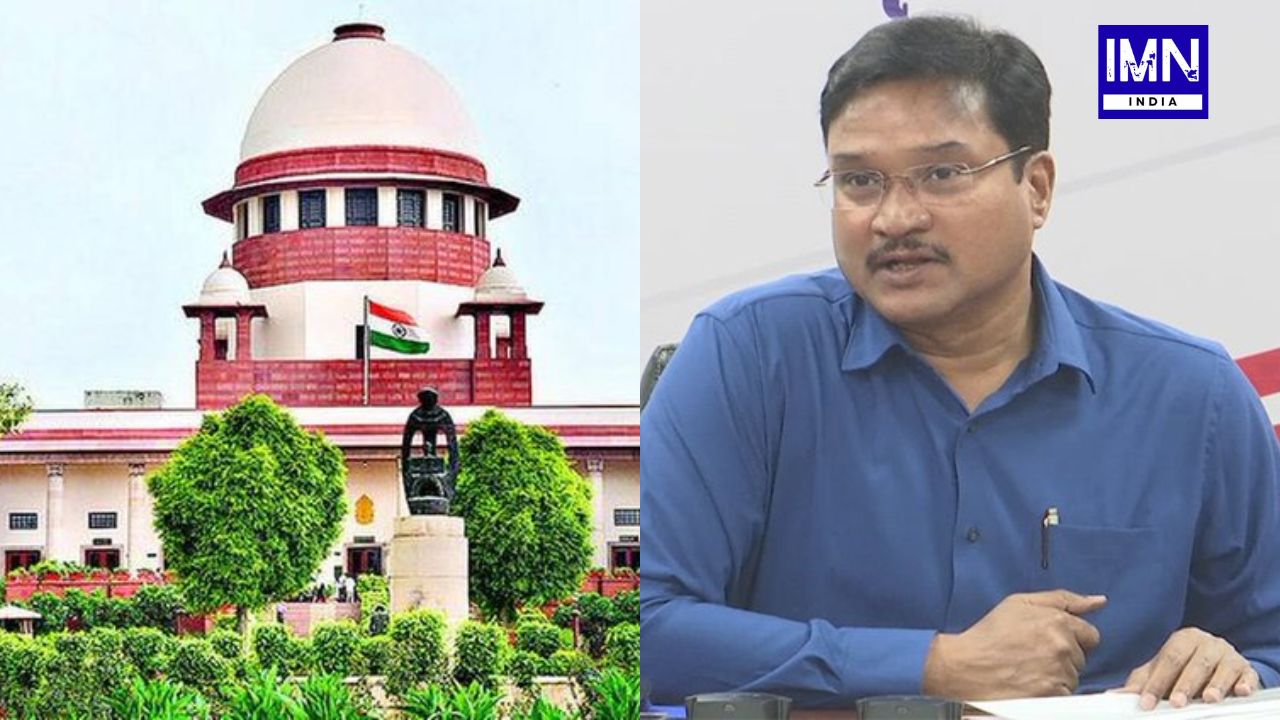
In a significant legal development, the Supreme Court has upheld the earlier order of the Telangana High Court, delivering a major setback to the Hyderabad Disaster Response and Asset Protection Agency (HYDRA) in the ongoing Bathukamma Kunta land dispute.
The apex court dismissed HYDRA’s plea challenging the High Court’s directions, effectively reinforcing that authorities cannot proceed with development activities when a matter is sub judice.
What the High Court Had Said
The Telangana High Court had earlier questioned HYDRA over its actions at the Bathukamma Kunta, where land ownership and classification remain under legal dispute.
- The court had ordered status quo on the land
- Directed immediate removal of boards and structures indicating control
- Criticised HYDRA for proceeding with development despite pending litigation
The High Court had also made it clear that no authority is above the law and must strictly follow due legal process.
According to reports, HYDRA had allegedly transformed the disputed land into a developed public space, including installations like gates, gardens, and recreational infrastructure—far beyond what was legally permitted.
Why This Case Matters
The Bathukamma Kunta dispute is not just about one piece of land—it reflects a broader issue in urban governance:
- Conflict between environmental protection and property rights
- Questions over whether the land is a protected water body or private property
- Allegations of illegal encroachment vs. illegal state intervention
Petitioners claim it is private land, while authorities argue it is part of a historic lake ecosystem requiring protection.
Supreme Court’s Stand
By backing the High Court’s ruling, the Supreme Court has:
- Reinforced the principle of judicial oversight
- Sent a message that government agencies must respect court orders
- Emphasised that development cannot override due process
This also strengthens the concept of judicial review, ensuring that executive actions remain within constitutional limits.
Background of HYDRA Controversy
HYDRA, a relatively new enforcement agency in Telangana, has been actively involved in:
- Removing encroachments
- Restoring water bodies
- Taking action against illegal constructions
However, it has also faced criticism for:
- Overreach of powers
- Acting without clear legal backing in disputed cases
- Ignoring court-imposed restrictions
In this case, the High Court even found HYDRA’s actions to be in “wilful disobedience” of its orders and directed restoration of the land to its original condition.
What Happens Next
- The matter regarding ownership and classification of the land is still pending in lower courts
- HYDRA must now comply with court directions
- Further hearings will determine the final legal status of Bathukamma Kunta
Conclusion
The ruling marks a strong assertion of judicial authority, highlighting that even powerful state agencies cannot bypass legal procedures. The case will likely have wider implications for urban development, environmental protection, and administrative accountability across India.
















Leave a comment