


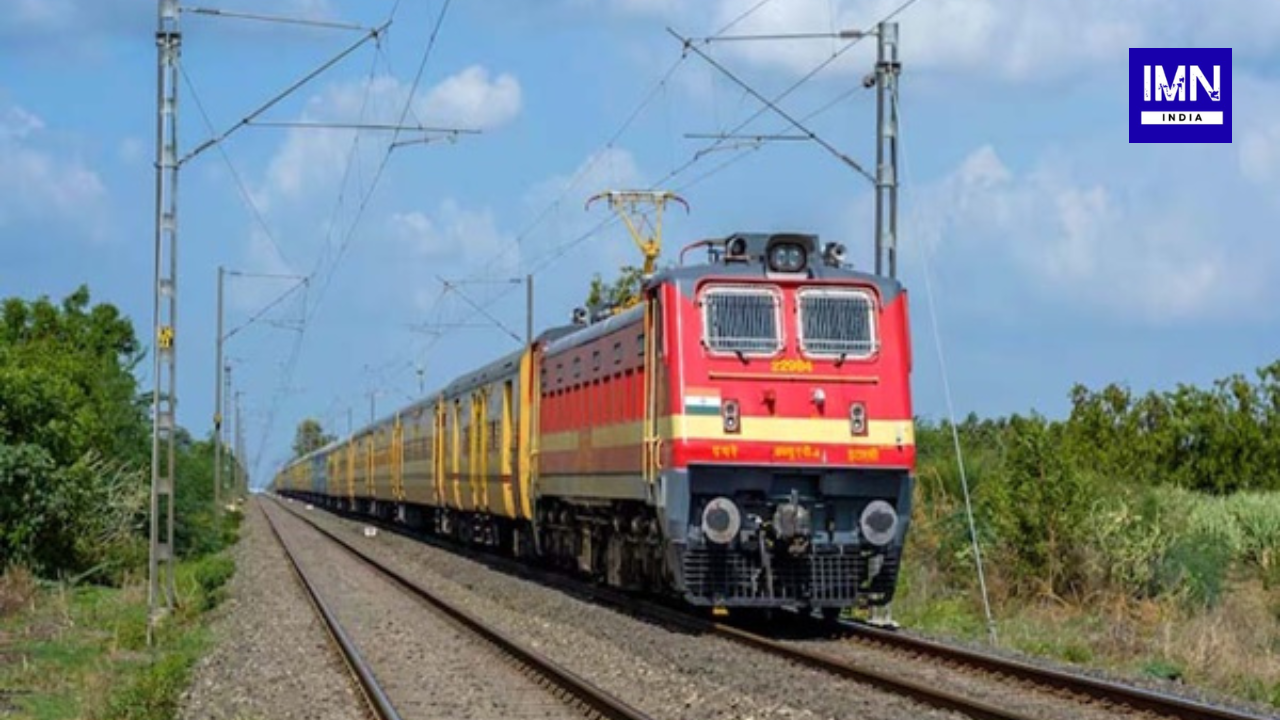
Rs 270 crore sanctioned to cover six key sections across the East Coast Railway zone
Railways Approves Kavach Deployment across 631 route kilometres of the East Coast Railway (ECoR) zone, marking a vital step forward in upgrading India’s rail infrastructure. With an official sanction of Rs 270 crore, this project is designed to enhance safety protocols across six high-traffic rail sections in Odisha and the neighbouring region.
Scope of the Approved Project
The Railways Approves Kavach Deployment project covers essential sections, including Baghuapal-Budhapank, Haridaspur-Paradeep, Khurda Road-Balangir, Naupada-Gunupur, Lanjigarh Road-Junagarh, and Bobbili-Salur. These corridors are critical for both passenger comfort and the efficient movement of freight, making them a priority for modern safety integration.
How the Technology Functions
Kavach is built to continuously track a train’s speed and position, relaying real-time signal data directly to the loco pilot in the cab. If a pilot fails to respond to a danger signal or exceeds the permitted speed, the system intervenes automatically and applies the brakes without waiting for manual action. This capability is specifically aimed at preventing what railway engineers call Signal Passing at Danger, a leading cause of head-on and rear-end collisions on busy lines. The system has also been designed to remain reliable during dense fog and other low-visibility conditions, a recurring source of disruption and risk on the Indian network during winter months.
Why This Deployment Matters Nationally
This sanction forms part of a much larger nationwide effort to widen Kavach’s footprint, an initiative that gained significant momentum following the Balasore train accident in 2023, which claimed close to 300 lives. Since then, investment in the technology has climbed sharply, with the railway ministry confirming that Kavach 4.0, the system’s most recent version, has already been commissioned across 1,452 route kilometres on the high-traffic Delhi-Mumbai and Delhi-Howrah corridors. Trackside installation work has additionally been taken up across more than 24,000 route kilometres covering the Golden Quadrilateral and Golden Diagonal corridors, signalling how far the rollout has progressed beyond its early pilot stage.
Infrastructure and Training Behind the Rollout
Deploying Kavach involves far more than installing onboard units. The process requires setting up station data centres, fitting trackside RFID tags, laying optical fibre cable, and equipping locomotives with compatible receivers, all of which must be integrated with existing signalling infrastructure built over several decades. Railway data shows more than 55,000 personnel, including a large share of loco pilots and assistant loco pilots, have already been trained to operate the system nationally, reflecting the scale of preparation required alongside the physical installation work itself.
Measurable Impact on Safety
Government figures indicate that consequential train accidents nationwide fell from 135 in 2014-15 to just 14 by 2025-26, a decline of close to 90 percent, with officials crediting Kavach as one of several contributing safety measures alongside other infrastructure upgrades. Spending on railway safety overall has also risen sharply during this period, more than tripling compared to a decade earlier, underlining the scale of resources now being directed toward accident prevention across the network.
What Comes Next for ECoR
Officials said the ECoR project will proceed in stages, with tendering and execution to follow standard implementation timelines used for similar approved sections elsewhere in the country. Cost estimates from comparable projects suggest trackside Kavach infrastructure typically runs close to Rs 50 lakh per kilometre, a benchmark broadly consistent with the budget sanctioned for this stretch of the network. The ministry has indicated that this sanction is one of several regional approvals expected as the technology continues moving toward coverage of the full high-density rail network in the years ahead.
Conclusion:
With the East Coast Railway sanction now in place, the rollout adds another stretch of track to a rapidly expanding national safety programme that officials say is reshaping how collision risk is managed across India’s rail system.
Also read: IRCTC Website to Get Major Upgrade by July 15, Assures Railway Minister Ashwini Vaishnaw
Follow for more updates: www.instagram.com/imnindia.news/

















Leave a comment