


India criticises Pakistan at the United Nations, accusing Islamabad of running a systematic “factory of hate” that spreads hostility against India through organised propaganda and misuse of religious terminology. The sharp remarks came during a United Nations Security Council session where India’s Permanent Representative to the UN, Ambassador Parvathaneni Harish, delivered a strong response to Pakistan’s statements.
The latest diplomatic confrontation has once again brought India-Pakistan tensions into focus at the global platform. During his address, Ambassador Harish stated that Pakistan has been promoting state-sponsored disinformation and attempting to shift attention away from its own internal challenges by targeting India repeatedly in international forums.
India criticises Pakistan at the UN at a time when regional security concerns and cross-border tensions continue to dominate diplomatic discussions across South Asia. Indian officials maintained that Pakistan has consistently used hostile narratives to cultivate anti-India sentiment among its citizens.
India Targets Pakistan’s “Factory of Hate”
Ambassador Parvathaneni Harish said Pakistan has created an organised structure that encourages permanent hostility towards India. He alleged that Islamabad uses religious language and extremist narratives to spread hatred and misinformation.
India also objected strongly to Pakistan’s use of the term “Fitna al Hindustan” while referring to militant groups operating within its territory. According to India, such terminology is being used to mislead the international community and divert responsibility for terrorism-related activities.
Indian representatives argued that Pakistan has a long history of blaming neighbouring countries for its own internal security and political issues. The Indian side also highlighted concerns regarding Pakistan’s political structure and the increasing influence of the military over civilian institutions.
India Raises Concerns Over Regional Security
During the UNSC session, India further criticised Pakistan over cross-border military operations and alleged civilian casualties caused during aerial attacks in Afghanistan. Ambassador Harish said that simply presenting violent actions as military operations does not erase accountability for civilian harm.
India emphasised that regional peace and stability can only be achieved when countries stop supporting extremist narratives and cross-border militancy. Indian officials reiterated that terrorism and disinformation remain serious threats to international security.
The statement also comes amid growing global discussions on misinformation campaigns, radicalisation, and the role of state-backed propaganda in fueling regional instability. India has repeatedly raised concerns at international platforms about terror financing, cross-border infiltration, and online extremist messaging originating from Pakistan-based networks.
Diplomatic Tensions Continue at Global Forums
India criticises Pakistan at UN frequently in response to allegations raised by Islamabad during international meetings. Relations between the two countries have remained strained for years due to issues related to terrorism, border security, and diplomatic disputes.
Experts believe the latest exchange at the United Nations reflects the continuing breakdown in trust between the two nuclear-armed neighbours. While both countries continue to participate in multilateral forums, public exchanges have increasingly become sharper and more direct.
India has maintained that meaningful dialogue is only possible in an environment free from terrorism and hostility. Pakistan, on the other hand, continues to raise Kashmir and regional issues at international forums.
The latest remarks by Ambassador Parvathaneni Harish underline India’s broader diplomatic strategy of directly countering Pakistan’s allegations on global platforms while highlighting concerns related to terrorism, military influence, and disinformation campaigns.
Also read:India Fuel Supply Stable Despite West Asia Crisis, Government Assures No Shortage
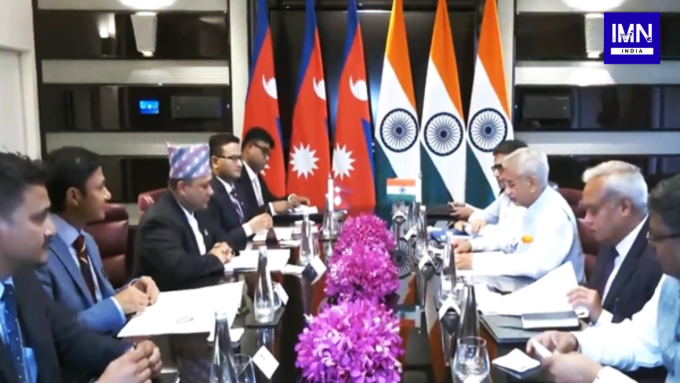
Also read: India and Nepal Reaffirm Strong Bilateral Ties, Explore Cooperation in AI and Renewable Energy
Follow for more updates: www.instagram.com/imnindia.news/













Leave a comment