


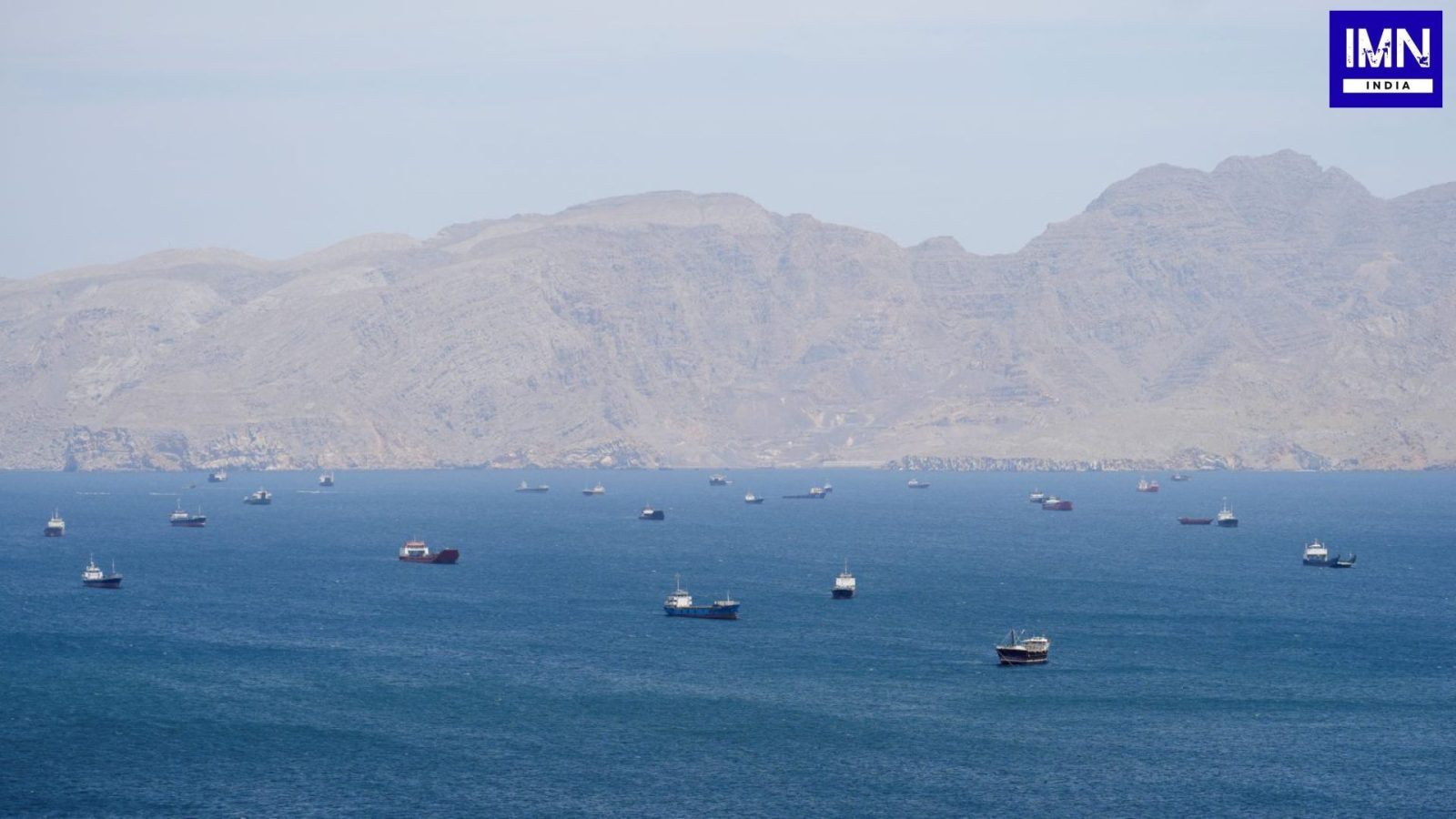
India-Bound Oil Tanker Strait of Hormuz: Nissos Keros Clears Waterway, Heads to Visakhapatnam
The India-bound oil tanker Strait of Hormuz crossing made headlines this week as the Nissos Keros, a Marshall Islands-flagged vessel, successfully navigated the strategic waterway and is now en route to Visakhapatnam, offering a measure of relief amid escalating tensions over Iran’s moves to tighten control over one of the world’s most critical energy chokepoints.
The vessel departed Sharjah on May 21 and was tracked in the northern Arabian Sea off India’s west coast on Friday morning. The tanker is expected to arrive at Visakhapatnam on June 3, carrying petroleum cargo described as sorely needed by Indian energy stakeholders monitoring the India-bound oil tanker Strait of Hormuz situation closely.
Iran’s actions in the waterway continue to send ripples through global energy markets, raising serious concerns about supply disruptions for major oil-importing nations, with India among the most directly affected by any prolonged standoff at the strait.
Iran Facilitates 23 Vessels Through Strait Amid Transit Fee Dispute
Iran’s state news agency reported that the Islamic Revolutionary Guard Corps (IRGC) Navy had facilitated the passage of 23 commercial vessels through the Strait of Hormuz within a 24-hour period, framing the move as an exercise of Iran’s authority over maritime traffic in the waterway.
The announcement came amid ongoing tensions over Tehran’s proposal to impose transit fees on vessels passing through the strait. Iran has proposed regulating maritime traffic through a new authority, a move that has drawn sharp international criticism. The United Nations has maintained that imposing transit fees in international waters is illegal under international maritime law, and the proposal has been widely rejected by major shipping nations.
The United States, under President Donald Trump, has been among the most vocal critics of Iran’s moves, calling for free navigation through the strategic waterway. Washington has characterised Iran’s actions as an attempt to weaponise a critical global trade route for geopolitical leverage, and the India-bound oil tanker Strait of Hormuz developments have been closely tracked by American officials as part of the broader standoff with Tehran.
India-Bound Oil Tanker Strait of Hormuz: Why It Matters for India
The successful passage of the India-bound oil tanker through the Strait of Hormuz is significant for a country that is among the world’s largest importers of crude oil and depends heavily on supplies transiting through the waterway from Gulf producers.
India imports a substantial share of its crude oil from countries in the Middle East, and any prolonged disruption to India-bound oil tanker Strait of Hormuz traffic would have direct consequences for domestic fuel prices, refinery operations, and energy security. The arrival of the Nissos Keros at Visakhapatnam on June 3 will be closely watched by energy officials and market observers as a signal of whether supply chains remain functional despite the tensions.
The broader concern for India is not merely about individual tanker movements but about the cumulative impact of Iran’s increasingly assertive posture at the strait on the reliability and cost of energy imports over the coming months.
India-Bound Oil Tanker Strait of Hormuz and the Global Energy Risk
The Strait of Hormuz is one of the most strategically significant waterways in the world. Nearly 20 per cent of the world’s oil and gas shipments pass through the narrow stretch of water between Iran and Oman, making it an indispensable artery for global energy supply chains.
Any disruption to India-bound oil tanker Strait of Hormuz traffic has the potential to trigger immediate and severe consequences for global energy markets, including sharp spikes in crude oil prices, increased shipping insurance costs, and supply shortfalls for major importing nations across Asia and Europe.
Iran’s recent moves to assert greater control over the waterway have effectively tightened Tehran’s grip on a chokepoint that the global economy cannot easily bypass. Energy markets have already begun pricing in the risk of a more prolonged standoff, with analysts warning that a failure to resolve the transit fee dispute through diplomatic channels could trigger a wider energy crunch and sustained economic disruption across oil-dependent economies worldwide.
Also Read: QUAD Nations Finalise Critical Minerals Framework at New Delhi Foreign Ministers Meeting
Follow for more updates: www.instagram.com/imnindia.news/














Leave a comment