


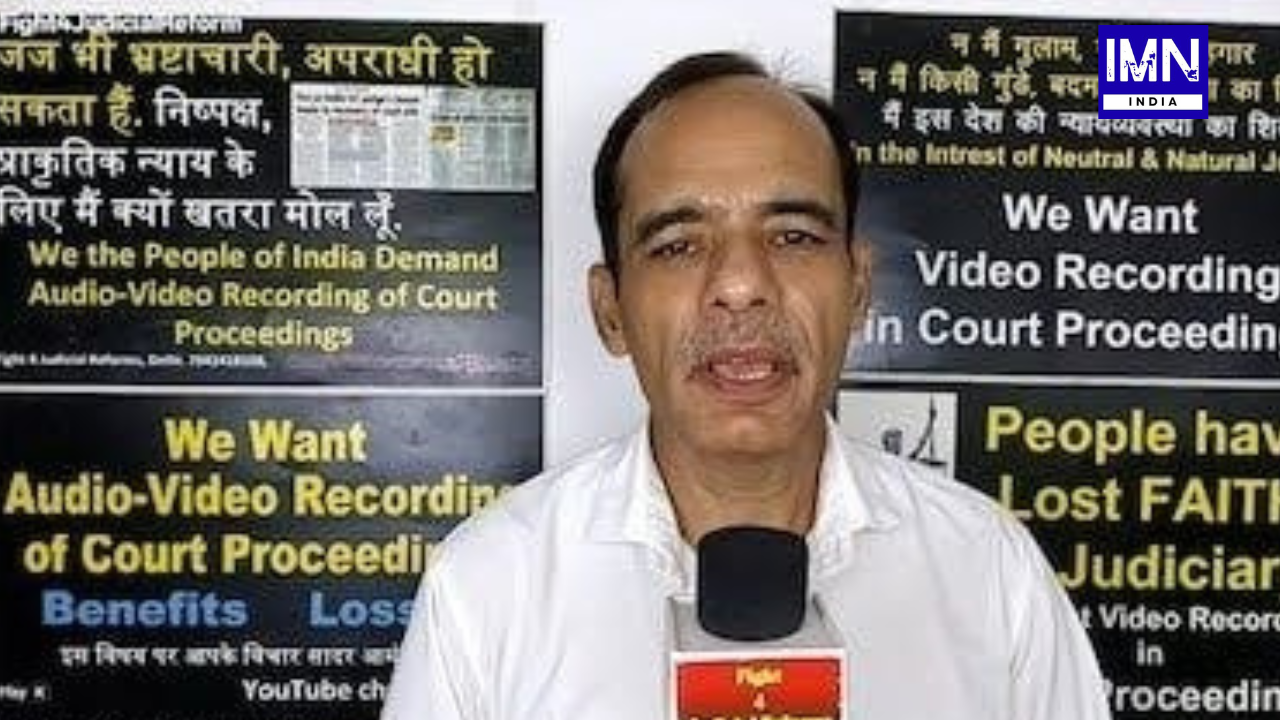
The Delhi High Court Jails YouTuber has triggered a major debate after the court sentenced the YouTuber and advocate Gulshan Pahuja to six months of simple imprisonment in a criminal contempt case linked to videos criticising judicial officers and the judiciary. The case relates to content uploaded on his YouTube channel, Fight 4 Judicial Reforms, where remarks targeting judges were found to have crossed legal limits.
A division bench comprising Justices Navin Chawla and Ravinder Dudeja ruled that Pahuja’s comments went beyond fair criticism and instead amounted to attempts to scandalise the judiciary. The court observed that some of the videos personally targeted judicial officers and allegedly suggested that litigants should not expect justice if their matters were heard by specific judges.
The Delhi High Court Jails YouTuber case has rapidly become one of the most discussed legal developments because it raises questions around the limits of free speech and criticism of public institutions.
Videos Uploaded Between 2024 and 2025 Triggered Action
The controversy originated from videos reportedly uploaded between October 2024 and March 2025. According to court observations, the content named specific district judges and included statements interpreted as attacks on judicial integrity and institutional credibility.
The High Court initiated criminal contempt proceedings after references were made by judicial officers regarding the content circulated online. During hearings, judges reportedly concluded that the videos were not aimed at promoting genuine judicial reform but instead sought to create distrust toward the justice system.
Officials noted that criticism of judgments and discussion around judicial reforms remain permissible. However, the court stated that allegations targeting integrity and competence require evidence and cannot be made casually.
Court Says No Remorse Was Shown
According to the order, the bench considered Pahuja’s conduct during proceedings while determining punishment. The court noted that despite opportunities provided during hearings, he allegedly showed no remorse and continued making statements considered objectionable.
Judges observed that imposing a lighter punishment could potentially encourage repetition of similar conduct in the future. Consequently, the court awarded the maximum punishment under the law six months of simple imprisonment along with a monetary penalty.
The Delhi High Court Jails YouTuber ruling has attracted widespread reactions across legal circles and online communities, with opinions sharply divided.
Sentence Suspended for Appeal Before Supreme Court
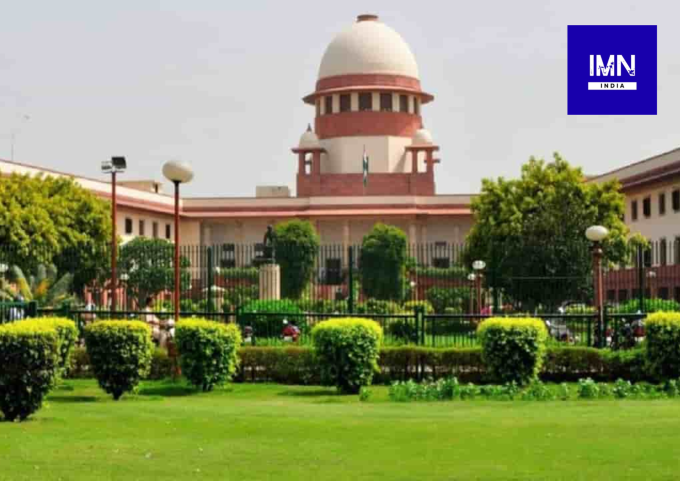
While sentencing Pahuja, the High Court also granted temporary relief by suspending the punishment for 60 days to allow him time to approach the Supreme Court and challenge the decision. Legal experts noted that such suspension provides an opportunity to seek appellate review before the sentence becomes effective.
The development has sparked broader conversations regarding freedom of expression, judicial accountability, and contempt laws in India. Social media discussions reflected contrasting views, with some users arguing that institutions require protection from baseless attacks while others questioned whether criticism and calls for reform should receive broader protection. Community reactions online remained deeply divided.
The Delhi High Court Jails YouTuber verdict is likely to remain at the center of legal and public discussion in the coming days as attention shifts toward a possible challenge before the Supreme Court. Legal observers believe the case could further shape conversations on the balance between judicial dignity and freedom of speech in India.
Also read: Supreme Court Upholds Removal of Stray Dogs From Public Spaces
Follow for more updates: www.instagram.com/imnindia.news/














Leave a comment