


Sonam Wangchuk Ends Hunger Strike after completing a 26-day fast that had become one of the defining symbols of the ongoing Cockroach Janta Party (CJP) protest against alleged examination irregularities. The activist announced his decision after discussions between representatives of the protest movement and the Central government, but CJP leaders clarified that the agitation at Delhi’s Jantar Mantar would continue until their principal demands, including the resignation of Union Education Minister Dharmendra Pradhan, are met.
Wangchuk had begun his indefinite hunger strike in support of students demanding accountability over alleged examination paper leaks and reforms to India’s examination system. Over the past several weeks, his fast drew support from students, civil society groups and opposition leaders, while concerns about his health continued to grow.
Sonam Wangchuk Ends Hunger Strike After 26 Days
Sonam Wangchuk Ends Hunger Strike after holding talks with senior government representatives. According to reports, the Centre assured the protest leadership that discussions on their concerns would continue, prompting Wangchuk to conclude his fast after nearly four weeks.
Prime Minister Narendra Modi also wished Wangchuk a speedy recovery after news of the activist ending his fast became public. The development marked a significant moment in the nationwide protest movement, which has remained in the spotlight over demands for greater transparency and accountability in public examinations.
Although the strike has ended, protest organisers stressed that the decision should not be interpreted as the end of the larger movement.
Why Sonam Wangchuk Ends Hunger Strike
Explaining why Sonam Wangchuk has ended the Hunger Strike, reports said the decision followed discussions with the Centre and appeals from supporters concerned about his health. Government representatives reportedly assured protesters that dialogue would continue and sought additional time to respond to the movement’s demands.
The activist’s fast had become a powerful symbol for thousands of students participating in demonstrations across several states. His decision to end the fast was welcomed by supporters, even as many insisted that the movement itself had entered a new phase focused on negotiations rather than fasting.
CJP Says Protest Will Continue
Soon after the strike was ended, CJP founder Abhijeet Dipke said the organisation’s peaceful protest at Jantar Mantar would continue. He reiterated that the resignation of Union Education Minister Dharmendra Pradhan remains a key demand and indicated that the movement would not be withdrawn merely because Wangchuk had ended his fast.
Dipke also maintained that the Centre had sought more time to consider the protesters’ demands, but no final decision had yet been communicated. As a result, demonstrators vowed to continue peaceful protests while awaiting the government’s response.
Centre Seeks More Time to Respond
During the latest round of discussions, representatives of the Centre reportedly requested additional time to examine the protesters’ demands before arriving at a final decision. According to protest leaders, the government assured them that dialogue would continue in the coming days, but no immediate commitment was made on their key demands, including the resignation of Union Education Minister Dharmendra Pradhan.
The talks are being seen as the first major breakthrough since the nationwide agitation intensified earlier this month. While both sides described the discussions as constructive, CJP leaders said they would wait for concrete action rather than verbal assurances.
Protest at Jantar Mantar Continues
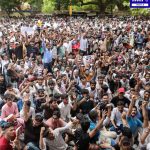
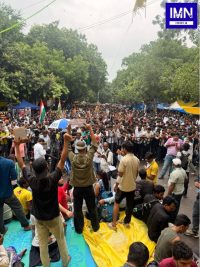
Despite Wangchuk ending his fast, hundreds of protesters continued to gather at Delhi’s Jantar Mantar, insisting that the movement would remain peaceful and democratic. Organisers appealed to supporters across the country to continue participating in demonstrations while avoiding any form of violence.
Several opposition leaders also reiterated their support for the movement, arguing that students deserved greater transparency and accountability in the examination system. Protesters maintained that their campaign had now moved beyond a single hunger strike and had become a broader demand for systemic reforms.
What Lies Ahead?
With negotiations now underway, attention is shifting to the Centre’s next move. Protest leaders have indicated that they are willing to continue talks but expect a formal response within the timeframe sought by the government.
Political observers believe the coming days could determine whether the agitation gradually de-escalates through dialogue or gathers fresh momentum if the protesters’ demands remain unmet. For now, Wangchuk’s decision to end his hunger strike has reduced immediate concerns over his health, but it has not brought the CJP-led movement to a close.
Conclusion
The decision to end the hunger strike marks a significant moment in the ongoing CJP protest, but it is not the end of the movement. While Sonam Wangchuk has stepped back from his fast following talks with the Centre, protesters have made it clear that demonstrations will continue until they receive a concrete response to their demands. As negotiations continue, the focus will remain on whether the government can reach a resolution that satisfies the student-led movement while restoring confidence in India’s examination system.
Also Read: CJP Calls for Nationwide Protest on July 24, Urges Peaceful Demonstrations Across India
Follow for more updates: www.instagram.com/imnindia.news/










Leave a comment