


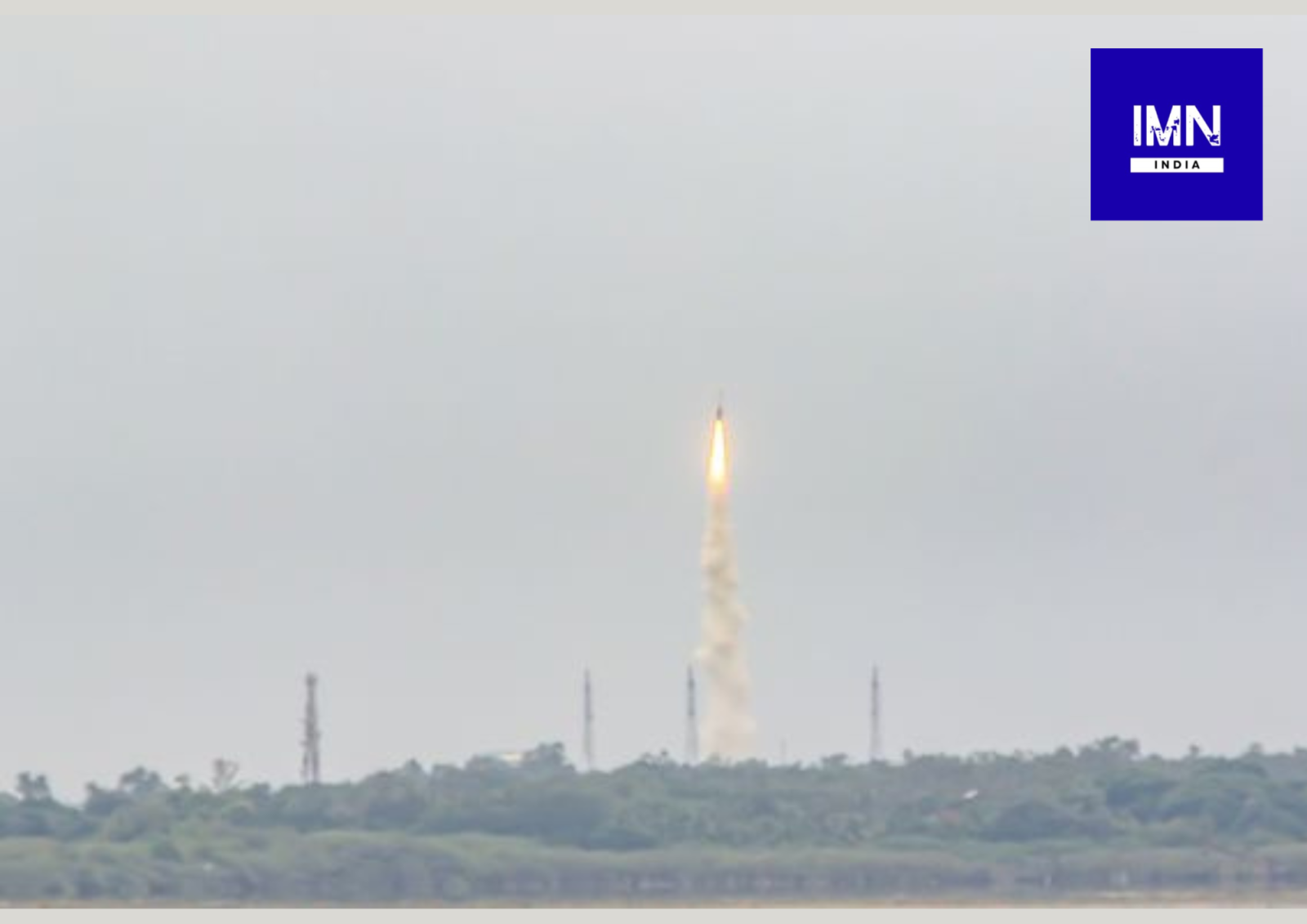
Vikram-1 Mission Aagaman scripted a historic chapter in India’s space journey on Friday after the country’s first privately developed orbital launch vehicle successfully placed multiple payloads into a 450-kilometre Low Earth Orbit (LEO). Developed by Hyderabad-based Skyroot Aerospace, the successful launch marks India’s entry into an exclusive group of nations with private-sector orbital launch capability and reflects the rapid growth of the country’s commercial space ecosystem.
The rocket lifted off from the Satish Dhawan Space Centre in Sriharikota, Andhra Pradesh, at 12:05 pm, completing all mission objectives after its final orbital insertion burn. The mission carried multiple customer and technology demonstration payloads, validating Skyroot’s launch systems and establishing India’s capability to offer commercial orbital launch services through private industry independently.
PM Modi Congratulates Team Behind Vikram-1 Mission Aagaman
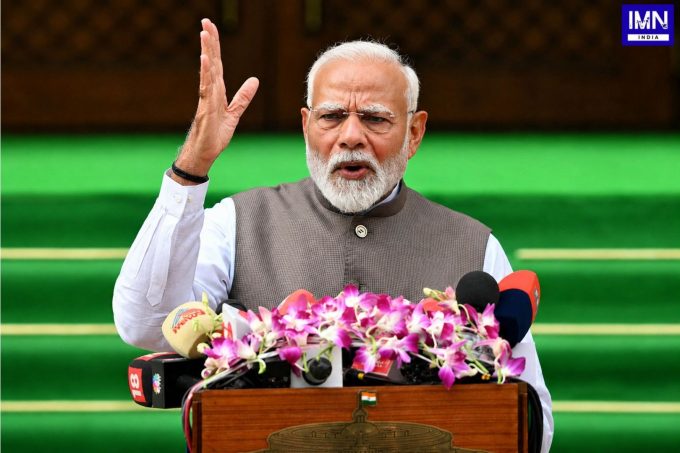
Prime Minister Narendra Modi congratulated Skyroot Aerospace for the landmark achievement and personally spoke to the team after the successful mission. Praising the engineers and scientists, he described the launch as a defining moment for India’s growing innovation ecosystem and invited the Vikram-1 team to meet him. Union Minister for Science and Technology Dr Jitendra Singh also hailed the success, calling it a major milestone for India’s expanding private space industry.
What Makes Vikram-1 a Historic Space Mission?
Named after Dr Vikram Sarabhai, the father of India’s space programme, Vikram-1 is a four-stage orbital launch vehicle designed to provide affordable, flexible and on-demand launch services for small satellites. The rocket features lightweight carbon-composite structures, three solid-propellant stages, and a 3D-printed liquid-fuel engine for precise orbital insertion. It is capable of placing payloads into Low Earth Orbit for communication, Earth observation and scientific missions.
The mission also demonstrated India’s growing expertise in indigenous aerospace technologies. Apart from commercial payloads, the rocket carried experimental satellites and technology demonstration payloads designed to validate future orbital applications and space technologies.
Mission Aagaman Strengthens India’s Private Space Ecosystem
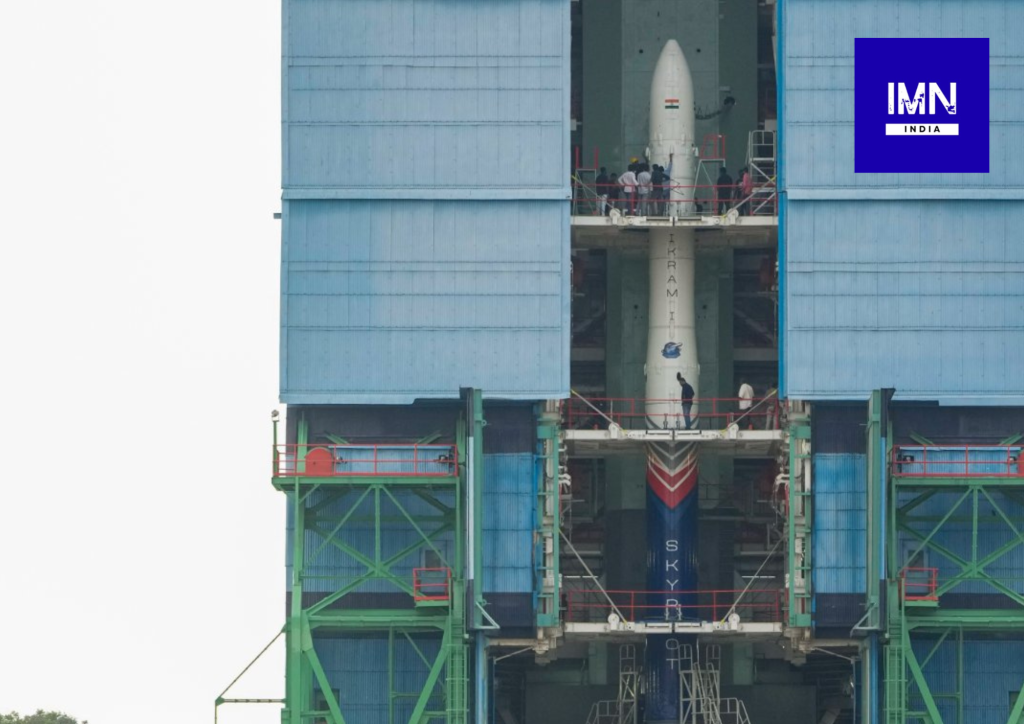
The success of Vikram-1 Mission Aagaman is being seen as a direct outcome of India’s space sector reforms introduced in 2020, which opened launch activities to private companies under the supervision of IN-SPACe. Since then, the country has witnessed rapid growth in private aerospace startups, attracting global investments and accelerating indigenous innovation in launch vehicles, satellite manufacturing and downstream space applications.
Experts believe the mission significantly enhances India’s position in the rapidly expanding global small satellite launch market, where demand for cost-effective and responsive launch services continues to increase.
Background: Skyroot’s Journey from Vikram-S to Vikram-1
Skyroot Aerospace has steadily built its capabilities over the past few years. In November 2022, the company successfully launched Vikram-S, India’s first privately built rocket to reach space. While Vikram-S was a sub-orbital technology demonstrator, Vikram-1 represents the company’s first successful orbital mission and a major leap towards regular commercial satellite launches.
Founded in 2018 by former ISRO scientists, Skyroot has emerged as one of India’s leading private space companies, focusing on affordable launch solutions for the growing global satellite market.
A Major Boost for India’s Space Economy
The successful orbital launch comes as India aims to significantly expand its share of the global space economy over the next decade. Government projections estimate that India’s space economy could grow several times over through greater private participation, indigenous manufacturing, satellite services and commercial launch operations. The success of Mission Aagaman is expected to encourage more private investment, create high-skilled employment and strengthen India’s ambition of becoming a global space technology hub.
The achievement not only establishes Skyroot Aerospace as a key player in the international commercial launch market but also marks the beginning of a new era where private innovation works alongside India’s established space programme to drive the country’s future in space exploration and technology.
Also read: PM Modi Launches Rs 4,700 Crore Chandigarh Development Projects in Healthcare, Education, Roads
Follow for more updates: www.instagram.com/imnindia.news/















Leave a comment