


Integrity Under Siege: Malpractice Attempt in Hyderabad
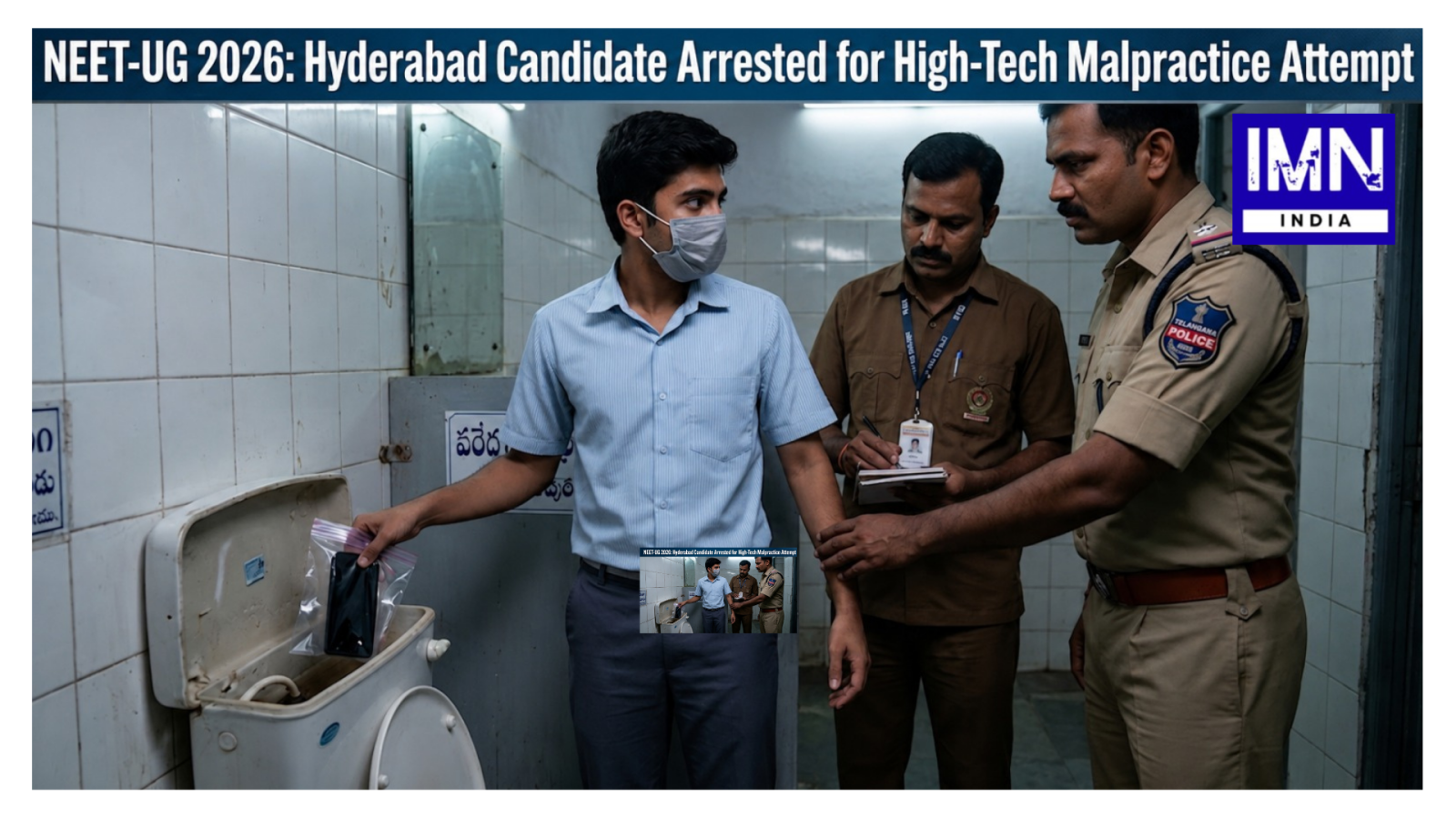
The national medical entrance landscape faced a fresh challenge during the June 2026 NEET re-examination, as authorities intercepted a calculated attempt to undermine the integrity of the test in Hyderabad. Despite the deployment of a robust security apparatus, an 18-year-old student was taken into custody after being caught red-handed using a mobile device inside a restroom at a local testing centre. This incident underscores the persistent and ongoing battle between examination boards and those individuals attempting to circumvent strict, modernized anti-cheating protocols that have been established for high-stakes testing environments. As millions of aspirants compete for a limited number of seats in the NEET, the maintenance of a fair testing environment has become a top priority for both the government and the National Testing Agency.
A Premeditated Breach of Protocol
The investigation by local law enforcement revealed that the accused had meticulously planned the entire breach. Arriving well before the designated reporting time, the student allegedly scaled the compound wall of the Zilla Parishad High School to gain unauthorized early access to the school’s washroom area. By concealing a mobile phone near a ventilation duct before the exam even began, the candidate ensured the device was available once the testing process was underway.
The sophistication of the plan included placing the phone within a waterproof zip-lock cover and hiding it securely inside a flush tank, allowing the candidate to bypass the initial security frisking sessions conducted at 6:00 AM and again at 11:00 AM. When the student later requested a restroom break under the guise of severe medical distress, invigilators grew suspicious due to the extended period spent away from the examination hall. Upon inspection, the student was found actively accessing search engines on the device, leading to immediate seizure and arrest. This level of preparation highlights the dangerous lengths some students are willing to go to, necessitating even tighter physical security at examination sites.
Robust Security Measures and Challenges
The NEET-UG 2026 re-examination was conducted under a massive, multi-layered security framework designed to prevent a recurrence of earlier irregularities. This initiative featured advanced monitoring, including the deployment of biometric and facial authentication alongside 24×7 CCTV surveillance. To further secure the testing environment, electronic jammers were utilized at centres to prevent any form of unauthorized communication. Additionally, the operation involved the mobilization of nearly 7 lakh personnel nationwide, which included observers, police officers, and biometric staff tasked with overseeing the proceedings.
While National Testing Agency officials have described the overall conduct of the exam as smooth and successful, this case highlights the persistent challenges examination authorities face in ensuring absolute integrity during high-stakes competitive tests. Investigations into whether the accused acted in isolation or with outside assistance remain ongoing, with authorities filing charges under the Public Examinations (Prevention of Unfair Means) Act, 2024. The logistical complexity of securing thousands of centres nationwide remains a gargantuan task that requires constant adaptation to new, evolving threats. Each new measure, from signal jammers to stricter biometric verification, represents a reactive step in a broader strategy to stay ahead of sophisticated malpractice attempts.
Legal Consequences and Future Deterrence
The legal ramifications for such actions are increasingly severe, reflecting a zero-tolerance approach toward examination malpractice. By invoking the Public Examinations (Prevention of Unfair Means) Act, 2024, the government aims to send a clear message that interference with national entrance tests will face rigorous prosecution. These legal frameworks are designed not only to punish the perpetrators but also to serve as a significant deterrent against future attempts to compromise the system. As investigations continue, the emphasis on accountability will play a crucial role in shaping a culture of honesty and diligence among the next generation of medical professionals.
Conclusion
The Hyderabad incident highlights the persistent challenges in maintaining examination integrity. As the government refines security, continued vigilance and collaboration remain essential. Ultimately, transparency and the rule of law are vital to ensure a fair, reliable, and equitable medical entrance process for all aspirants nationwide. This commitment is crucial for maintaining public confidence in the national testing system. Strengthening these safeguards remains a top priority for all stakeholders involved in the academic ecosystem.
Also read: NEET UG 2026 Re-Exam Conducted Under Tight Security Across India
Follow for more updates: www.instagram.com/imnindia.news/















Leave a comment