


Bakrid Blood on Streets Videos Trigger Nationwide Debate
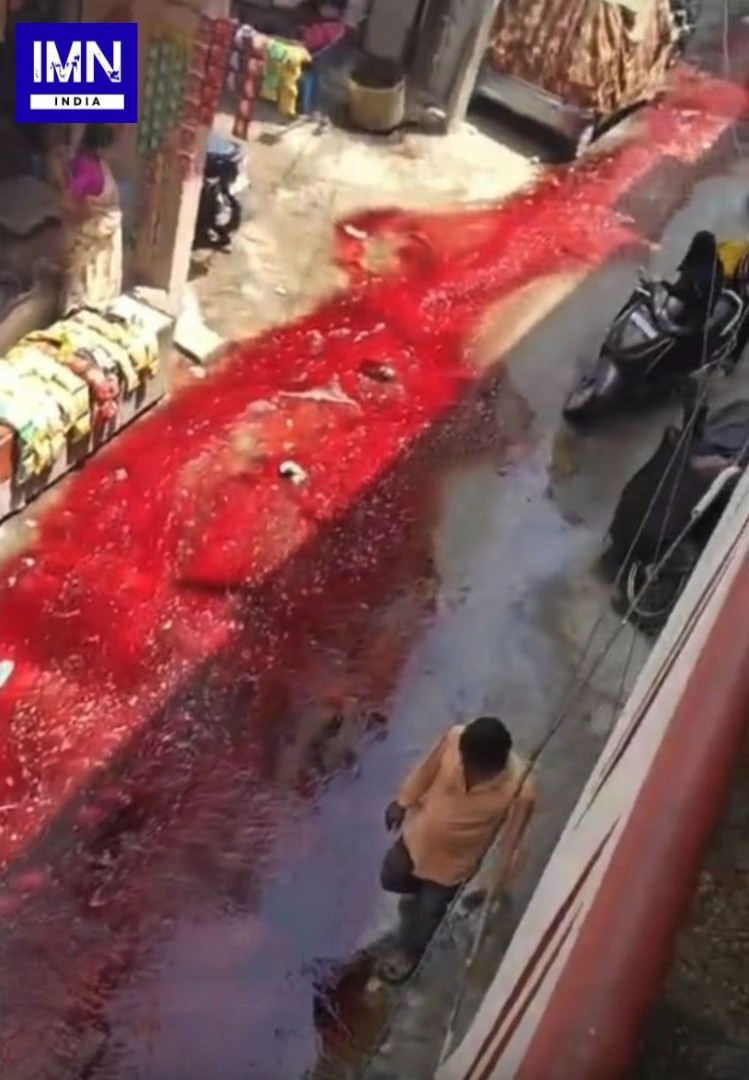
Videos purportedly showing streets flooded with animal blood following Bakrid qurbani rituals went viral on social media, triggering a fresh wave of debate across India over religious practices, animal welfare, urban hygiene, and what many described as selective outrage based on community identity.
The footage, shared widely on social media platforms, showed streets drenched in what appeared to be animal blood in the aftermath of Eid al-Adha slaughter rituals. The videos drew sharp reactions from across the political and religious spectrum, reigniting long-standing tensions between religious freedom, civic responsibility, and animal welfare concerns in urban India.
The Bakrid blood on streets controversy quickly became one of the most debated topics online in the days following the festival, with the videos being shared, fact-checked, and contested across platforms.
Hyderabad Musheerabad Videos Fuel Local Protest
Among the most widely circulated clips were videos from Hyderabad’s Musheerabad area, a locality popularly known as Bangladesh Market. Advocate Neelam, who shared footage from the area, claimed the videos showed blood flowing through streets near Hindu residential localities, sparking protests from local residents.
Residents living near the slaughter sites raised concerns about public health and hygiene, citing the risks of disease transmission from open-air animal slaughter conducted in densely populated urban areas. Several locals near Hindu homes in the vicinity expressed discomfort and demanded that authorities enforce existing regulations on designated slaughter zones.
The Hyderabad Musheerabad videos added a local dimension to what had already become a nationally trending debate, with the area’s nickname Bangladesh Market itself becoming a flashpoint in online discussions about demographic change and communal tensions in urban neighbourhoods.
ISKCON Post and the Bangladesh Footage Debate
A video shared by Radharamn Das of ISKCON Kolkata further amplified the Bakrid blood on streets controversy. The footage showed scenes of streets flooded with what appeared to be animal blood and viscera, and was widely shared with claims that it depicted conditions in Indian cities following Bakrid celebrations.
However, fact-checkers and social media users raised questions about the origin of the footage, with several suggesting that some of the viral clips may have originated from Bangladesh rather than India. Despite the questions around origins, local reporting from Hyderabad confirmed that similar scenes had indeed occurred in the Musheerabad area, lending credibility to at least some of the concerns raised by those sharing the videos.
Bakrid Blood on Streets Row: PETA Silence and Selective Outrage Claims
A significant strand of the online debate focused on the perceived silence of animal rights organisations, particularly PETA India, in the aftermath of the Bakrid blood on streets footage going viral. Critics noted that PETA had run prominent vegan and anti-cruelty campaigns in the weeks leading up to Eid al-Adha, but had not issued a comparable public statement condemning the open-air slaughter practices captured in the viral videos.
The criticism was interpreted by many as evidence of selective outrage, with commentators arguing that animal welfare organisations apply different standards when the communities involved belong to minority religious groups. Defenders countered that singling out Muslim practices while ignoring large-scale slaughter in other contexts reflected its own form of bias.
Religious Freedom, State Bans and Urban Order
The Bakrid blood on streets debate also unfolded against the backdrop of broader legal and political tensions around religious practices in India. Several states have enforced restrictions on cow sacrifice during Eid al-Adha, citing animal welfare laws and the religious sentiments of Hindu communities. Critics of the viral campaign pointed to these state-level bans as evidence of an unequal legal framework that disproportionately restricts Muslim religious practices.
Others drew attention to restrictions on namaz in public spaces in several cities, arguing that the same political voices amplifying the Bakrid street footage had supported or remained silent on those restrictions, revealing a pattern of selective concern rather than genuine commitment to civic order or animal welfare.
The controversy reflects the broader and unresolved tension in Indian public life between the constitutional guarantee of religious freedom, the practical demands of urban governance and public health, and the contested terrain of animal welfare laws that are applied unevenly across communities and contexts.
Also Read: Calcutta High Court Refuses to Stay Bengal Animal Slaughter Restrictions Ahead of Eid
Follow for more updates: www.instagram.com/imnindia.news/















Leave a comment