


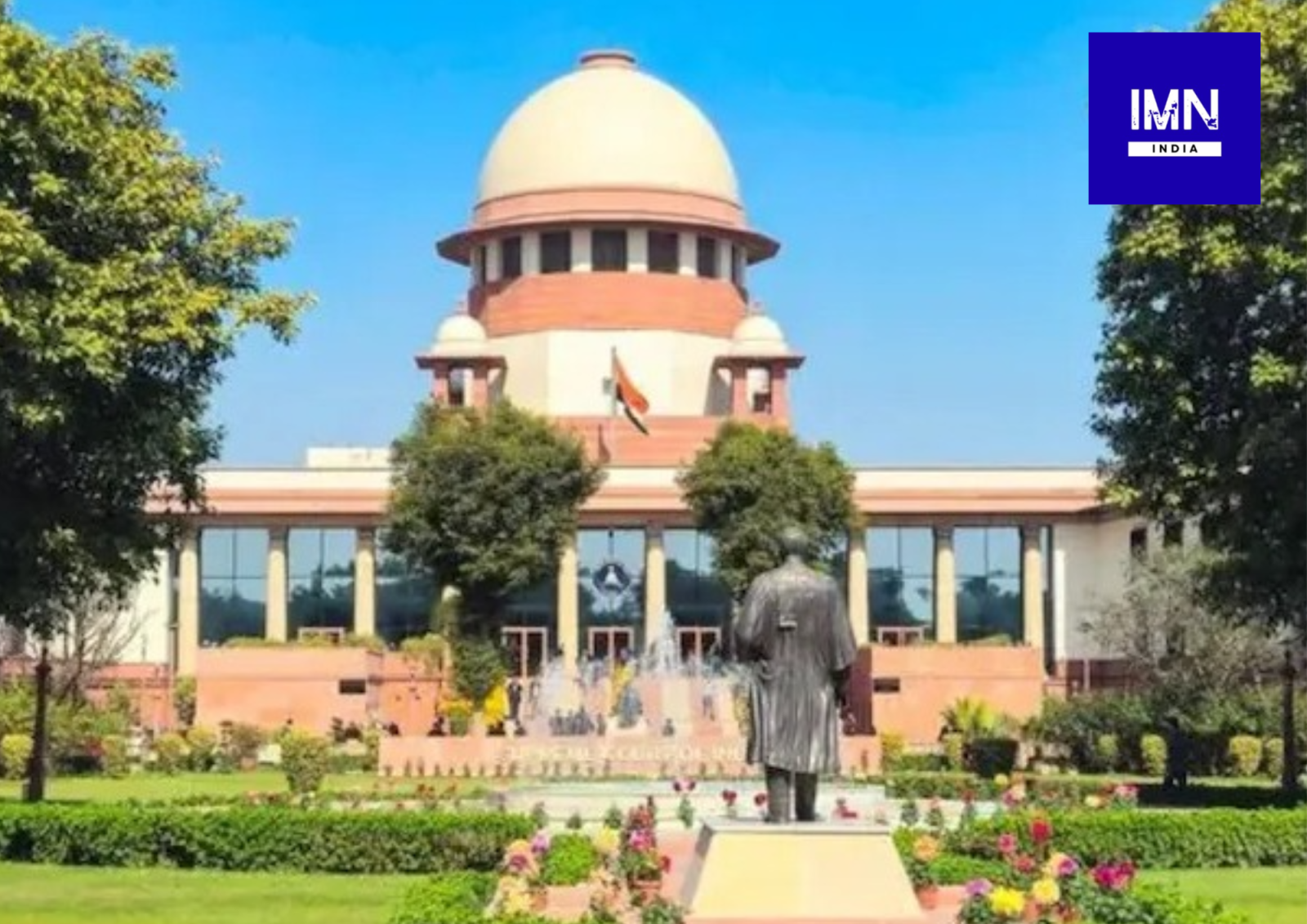
New Delhi: The Supreme Court has expressed serious concern over persistent CARA adoption delays, questioning the efficiency of India’s adoption framework and emphasizing the urgent need to ensure that children awaiting families are not left trapped in prolonged bureaucratic processes.
During a recent hearing, the apex court sought a detailed explanation from the Central Adoption Resource Authority (CARA) regarding pending adoption matters and administrative bottlenecks that have slowed the rehabilitation of children through legal adoption channels. The court observed that unnecessary delays defeat the very purpose of the adoption system, which is designed to provide children with stable and nurturing family environments.
The strong remarks come amid growing concerns over lengthy waiting periods faced by thousands of prospective adoptive parents across the country.
CARA Adoption Delays Draw Supreme Court’s Attention
The bench noted that adoption-related cases require prompt action because they directly impact the future of vulnerable children. Judges emphasized that every delay extends the time children spend in institutional care and creates uncertainty for families hoping to adopt.
The Supreme Court’s observations are consistent with concerns raised in previous hearings, where the judiciary highlighted the slow pace of adoption procedures and the need to simplify regulations. Reports indicate that thousands of families remain on adoption waiting lists, while a significantly smaller number of children are legally available for adoption.
The court stressed that child welfare must remain the central objective of the adoption ecosystem and should not be overshadowed by procedural hurdles.the Role of CARA in India’s Adoption System
CARA functions under the Ministry of Women and Child Development and serves as the country’s nodal body for regulating domestic and inter-country adoptions. It operates under the provisions of the Juvenile Justice (Care and Protection of Children) Act and the Adoption Regulations.
The authority is responsible for maintaining adoption records, facilitating child matching, monitoring adoption agencies and ensuring that adoptions are carried out in the best interests of children. Earlier this year, CARA issued fresh directives aimed at strengthening adoption procedures, safeguarding records and protecting the identity of adopted children.
Despite these measures, concerns regarding delays and long waiting periods continue to attract judicial scrutiny.
Adoption Delays and the Growing Waiting Period Crisis
One of the major challenges confronting India’s adoption framework is the widening gap between the number of registered adoptive parents and the number of children legally available for adoption.
Judicial observations and adoption data have repeatedly pointed to waiting periods that can stretch beyond three years for many prospective parents. Courts have noted that such delays can discourage families from pursuing legal adoption and may even create opportunities for illegal adoption networks and child trafficking.
Experts argue that reducing processing time, improving coordination among agencies and increasing transparency in child referrals could significantly improve outcomes for both children and families.
Why Adoption Reforms Are Becoming Increasingly Important
Child rights advocates have long maintained that delays in adoption can have lasting consequences for children. Research and court proceedings have highlighted how many children spend crucial developmental years in institutional care before becoming eligible for adoption.
The issue becomes even more significant for older children and those with special needs, who often face greater challenges in finding adoptive families. Previous submissions before the Supreme Court have pointed out that prolonged procedures may reduce adoption opportunities as children grow older.
Legal experts believe the latest observations from the Supreme Court could accelerate discussions on policy reforms and administrative improvements within the adoption system.
What Happens Next?
The Supreme Court has directed CARA to submit a comprehensive response detailing the reasons behind pending adoption cases and the measures being taken to improve efficiency. The matter is expected to be heard again in the coming weeks.
The outcome of the proceedings could prove significant for thousands of waiting families and children across India, potentially paving the way for reforms aimed at reducing CARA adoption delays and making the country’s adoption process more responsive, transparent and child-centric.
Also read: Telegram Returns to Google Play Store in India After NEET-Related Restriction Ends
Follow for more updates: www.instagram.com/imnindia.news/















Leave a comment