

Iran Starts Charging Ships in Strait of Hormuz! $1 Million Transit Fee Sparks Global Shipping Shock
Iran begins charging transit fees on commercial vessels passing through the Strait of Hormuz, with costs reportedly reaching $1 million per tanker.
 Indra ShivaApril 23, 20262 Mins read4

Iran Imposes Transit Fee on Ships Passing Through Strait of Hormuz, Global Trade Faces New Pressure
In a significant escalation with global implications, Iran has announced the imposition of a transit fee on commercial vessels passing through the strategically vital Strait of Hormuz.
Tehran confirmed that it has already collected its first payment from a vessel, marking the beginning of what could become a major shift in international maritime trade dynamics.
💰 Up to $1 Million Per Tanker?
While Iranian authorities have not officially disclosed the exact fee structure, shipping industry sources estimate that:
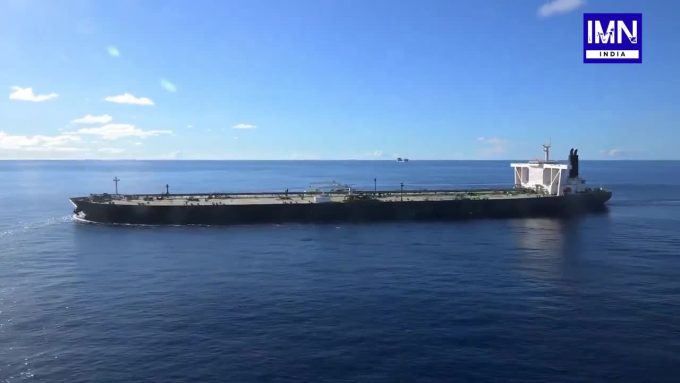
- Large oil tankers could be charged up to $1 million per transit
- Fees may vary depending on vessel size and cargo
The payment has reportedly been deposited into Iran’s central banking system, signaling formal enforcement of the policy.
⚖️ Iran’s Justification: Compensation for Military Damage
Iran has framed the move as a compensatory measure, citing:
- Damage caused by recent military actions
- Operations allegedly carried out by the United States and Israel
According to Tehran, the charges are intended to:
- Offset economic losses
- Assert control over regional maritime activity
⚓ Why the Strait of Hormuz Matters
The Strait of Hormuz is one of the most critical energy corridors in the world, handling:
- A significant share of global crude oil shipments
- Major LNG (liquefied natural gas) transport routes
Any disruption or additional cost in this region directly impacts:
- Global oil prices
- Shipping costs
- Supply chain stability
🌍 Global Impact & Industry Concerns
The introduction of transit fees is expected to trigger:
- Higher shipping and insurance costs
- Increased oil prices globally
- Potential rerouting of vessels (where possible)
Shipping companies and global traders are closely monitoring the situation, as even minor disruptions in the Strait can have outsized economic consequences.
🔥 Rising US-Iran Maritime Tensions
This move comes amid escalating tensions between Iran and the United States, including:
- Seizure of oil tankers
- Military posturing in the region
- Sanctions enforcement actions
The latest development adds a new economic dimension to an already volatile geopolitical standoff.
❗ What Could Happen Next?
Experts warn of several possible scenarios:
- Retaliatory actions by global powers
- Legal challenges under international maritime law
- Increased military presence in the region
- Further escalation affecting global trade routes
🔚 Conclusion
Iran’s decision to impose transit fees in the Strait of Hormuz marks a major turning point in global shipping and geopolitics. With billions of dollars in trade passing through the corridor, even a single policy shift could ripple across economies worldwide.
All eyes are now on how global powers and the shipping industry respond to this unprecedented move.






US Seizes Another Tanker Linked to Iranian Oil Smuggling, Escalates Strait of Hormuz Tensions
US military seizes tanker linked to Iranian oil smuggling as tensions rise...
Indra Shiva2 Mins read

India-US Trade Deal Push: Fresh High-Stakes Talks Begin in Washington Amid Tariff Twist
India and the United States begin a fresh round of trade talks...
Indra Shiva1 Mins read

Iran-US Talks in Doubt: Tehran Yet to Decide on Next Round as Strait of Hormuz Tensions Escalate
Iran remains undecided on next round of talks with the US as...
Indra Shiva1 Mins read

BREAKING: Iran Hits Back at Trump Over ‘False Claims’ on War, Talks
Tensions remain high between the Iran and the United States after Iran’s...
Indra Shiva1 Mins read




Leave a comment