


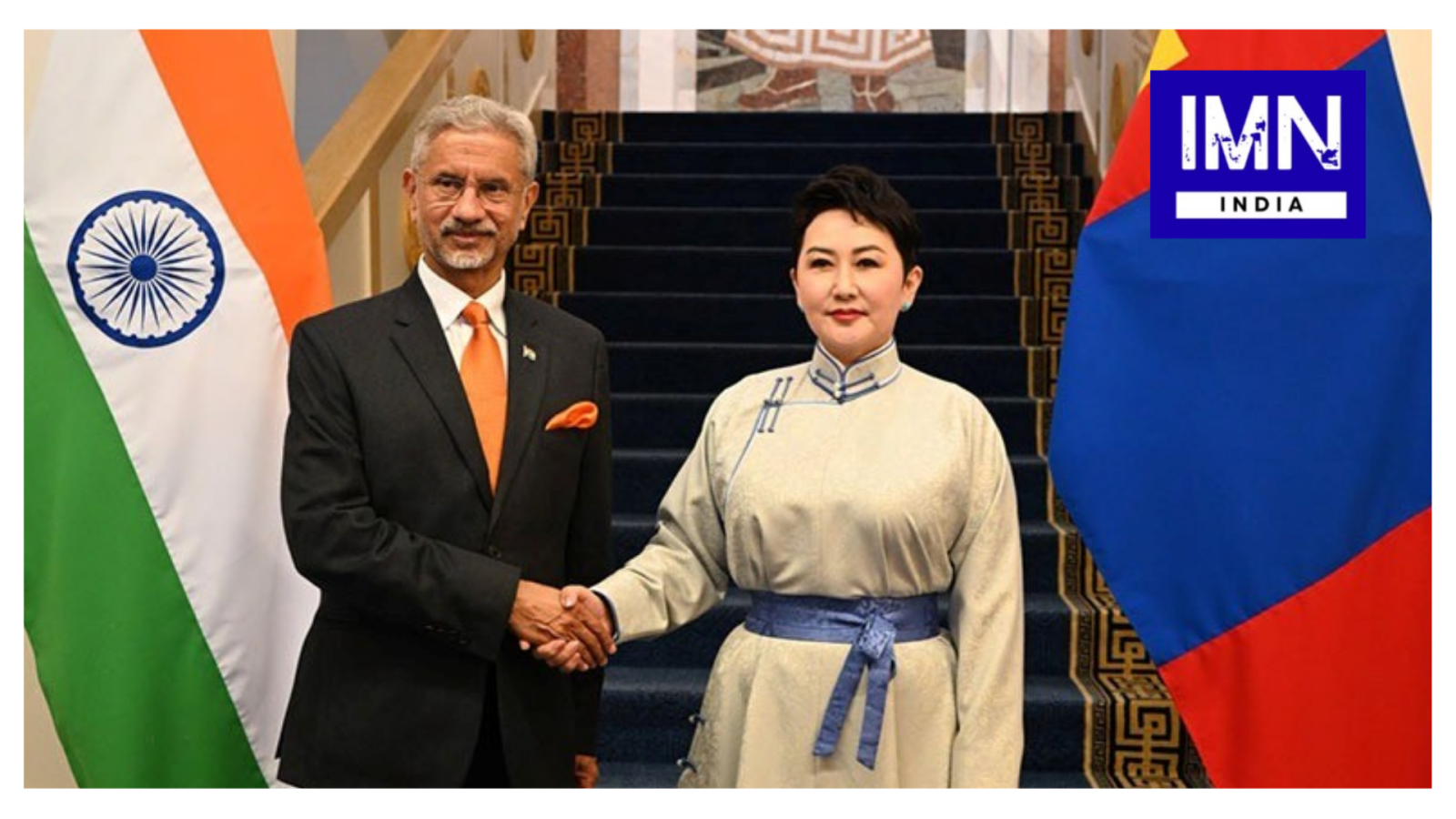
Talks in Ulaanbaatar build on last year’s mineral resources agreement between the two countries
Mongolia discussed mining cooperation with India during high-level meetings in Ulaanbaatar, marking a significant step forward in the strategic partnership between the two countries. As global supply chains continue to evolve, both nations are exploring opportunities to strengthen collaboration in mining, clean energy, and agro-processing sectors to support sustainable economic growth and mutual development.
The Ulaanbaatar Meeting
According to official sources, the discussions took place between India’s External Affairs Minister and his Mongolian counterpart, who reviewed progress across development projects, capacity building, culture, education and security, alongside the economic opportunities under discussion. The minister described the talks as reflecting the warmth and promise of the strategic partnership between the two nations, characterising India’s role as both a close neighbour and a long-standing partner ready to deepen cooperation further.
Mining and Critical Minerals on the Agenda
As per reports, officials from both sides examined opportunities in resource development, technology sharing and value-added processing within the mining sector, with particular attention to critical minerals that are becoming increasingly important to global supply chains and the broader shift toward cleaner energy. The conversation built on an earlier agreement covering geology and mineral resources, under which the two countries had begun laying groundwork for moving Mongolian coking coal and copper into the Indian market. Indian steelmakers have separately shown growing interest in Mongolian coking coal, a key input for steel production, as the country looks to diversify its sources for the material. India has also been reported to be in separate discussions on a preliminary pact focused specifically on the transit of such minerals, part of a wider push that includes exploring critical mineral resources in several other countries as well.
Clean Energy Cooperation
Clean energy emerged as a parallel area of focus, with both sides expressing interest in advancing renewable energy initiatives and exchanging expertise on sustainable technologies. Discussions touched on the possible renewal of an earlier framework for cooperation on renewable energy, aimed at fostering innovation and lifting bilateral energy ties to a more advanced stage. Officials framed the push as tied to wider goals around energy security and environmentally responsible growth for both economies.
Agro-Processing and the Wool Industry
The talks also covered agricultural processing, an area officials see as complementary given Mongolia’s large livestock base and India’s established expertise in wool and textile processing. The two sides have previously agreed to combine these strengths through raw material supply, joint processing, manufacturing and technology transfer, with a goal of producing value-added wool and cashmere products aimed at international markets rather than domestic consumption alone.
Background to the Partnership
The current round of talks builds on a state visit to India last October, during which the Mongolian president held meetings with India’s president, prime minister and vice president, and signed an agreement covering cooperation in geology and mineral resources. India and Mongolia first established diplomatic relations in 1955, with India recognised as the first country outside the socialist bloc to do so at the time, a relationship officials have repeatedly described as carrying both strategic and cultural significance given the two nations’ shared Buddhist heritage. India has also previously supported Mongolia’s membership in the United Nations and the Non-Aligned Movement, ties that officials frequently cite as evidence of the relationship’s long-standing depth beyond recent economic interests.
Wider Diplomatic Context
The Ulaanbaatar talks form part of a broader four-day visit covering both Mongolia and South Korea, with the Indian minister scheduled to travel onward for separate discussions with his Korean counterpart and an appearance at an international forum on regional peace and security. Officials have not indicated whether any of the agreements discussed in Ulaanbaatar will be formalised during this visit or left for future negotiation between the two governments.
Conclusion:
With both governments signalling continued interest across mining, clean energy and agro-processing, the talks point toward a partnership that officials expect to deepen further as the two countries work to translate this week’s discussions into concrete agreements.
Also read: KTR Meets Telangana Governor, Seeks Minister’s Dismissal and Judicial Probe Over ‘Illegal Mining’
Follow for more updates: www.instagram.com/imnindia.news/










Leave a comment